Electric bikes are everywhere, and for good reason. They’ve changed how we think about getting around. But here’s the kicker: picking the right e-bike can feel like trying to find a needle in a haystack, especially when it comes to understanding batteries.
You might be asking yourself, what makes lithium battery bikes the go-to choice?
I get it. The options are overwhelming, and the stakes are high. I’ve spent time digging into the tech behind these bikes and how it shapes our rides.
This article is here to clear the fog. I’ll break down why lithium batteries are important and what you really need to know before you dive in.
By the end, you’ll have practical takeaways to help you make an informed decision. You deserve a reliable and enjoyable e-bike experience. Let’s get started.
The Power Behind the Pedals: Why Lithium Reigns Supreme
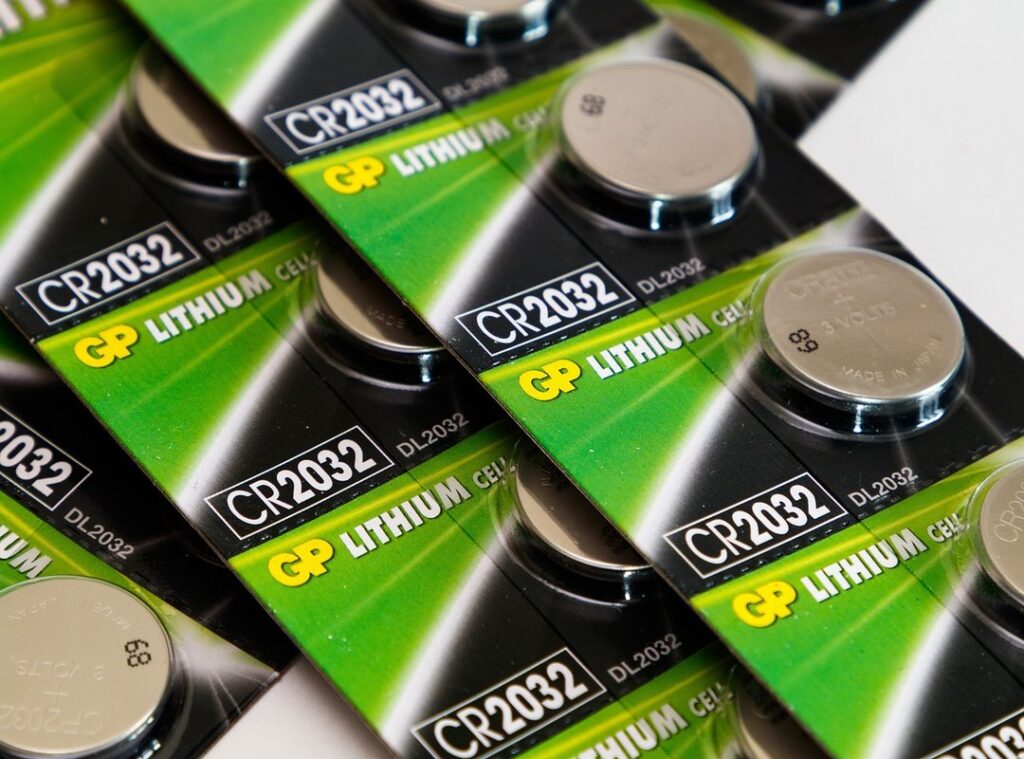
Let’s talk about lithium-ion batteries. They’re the backbone of modern tech, powering everything from phones to electric cars. Lithium batteries convert chemical energy into electrical energy through the movement of lithium ions (pretty straightforward, right?).
Why not just stick to older stuff like lead-acid or nickel-metal hydride? Because they aren’t even in the same league. Lead-acid is heavy and clunky.
Nickel-metal hydride? Expensive and not worth it. Lithium battery bikes make those look ancient.
You get more bang for your buck with lithium’s superior energy density. More power, less weight. A win for everyone.
Lighter batteries mean easier handling. Your bike responds quicker, feels nimbler. It’s like swapping out a brick for a feather (almost).
Plus, lithium batteries last longer. More cycles mean fewer replacements, less hassle.
And talk about convenience: they charge faster. We’ve all got places to be. And they barely self-discharge.
Most batteries lose juice just sitting there, but not these. They’re ready when you are. So, are lithium battery bikes the future?
Absolutely. They’re not just better (they’re) in a league of their own.
The E-Bike Battery Breakdown: What’s Inside Matters
Electric bikes are more than just two wheels and a motor. The heart of these machines? Lithium batteries.
But here’s the kicker: not all lithium batteries are the same. You’ve got Nickel Manganese Cobalt (NMC) batteries, known for high energy density and power output. These are the go-to for performance e-bikes.
They give you that extra zip when you need it. Ever been on one? It’s like riding the future.
Then there are Lithium Iron Phosphate (LiFePO4 or LFP) batteries. These are the dependable ones. Think enhanced safety, long lifespan, and stability.
They’re often found in commuter e-bikes. Riding to work shouldn’t feel like a gamble, right?
There are other types too, like NCA batteries, but they’re more niche. So, how do these batteries translate to actual riding? It’s about range, power, and cost.
NMC gives you speed, while LFP keeps you safe on longer rides. Want to save a buck? LFP might be your pick.
Choosing the right battery isn’t just about tech specs. It’s about what you need. For power-hungry rides, NMC.
For daily commutes, LFP. Your choice defines your ride.
Battery Basics: Voltage, Amps, and Watt-Hours
Let’s start with voltage. It’s the engine power of your e-bike. Higher voltage means faster speed and more grunt.
But is higher always better? Not if the rest of your system can’t handle it.
Amp-hours (Ah) tell you how long your ride will last. Think of it like your bike’s gas tank. More Ah means more miles before you’re stuck pedaling home.
Real talk: a bigger tank is always nice.
Watt-hours (Wh) combine voltage and amp-hours. It’s the real measure of total energy capacity. Wh is what you want to look at if you’re comparing lithium battery bikes.
A higher Wh means you can ride longer and faster.
Cycle life? That’s how many times you can charge your battery before it starts to fade. Like a phone battery that can’t hold a charge anymore.
Each charge-discharge is a cycle.
To interpret these specs, check the numbers in context. Higher Wh means longer rides. Higher V?
More solid acceleration. Need more on tech? Check out understanding motorcycle bluetooth systems.
Remember, numbers matter but don’t get lost in them. Think about your riding needs first.
E-Bike Battery Savvy: Keep It Alive and Kicking
You want your e-bike to last, right? Then stop killing its battery. I’ve seen too many folks let their lithium battery bikes die by running them down to zero or charging them to the max every single time.
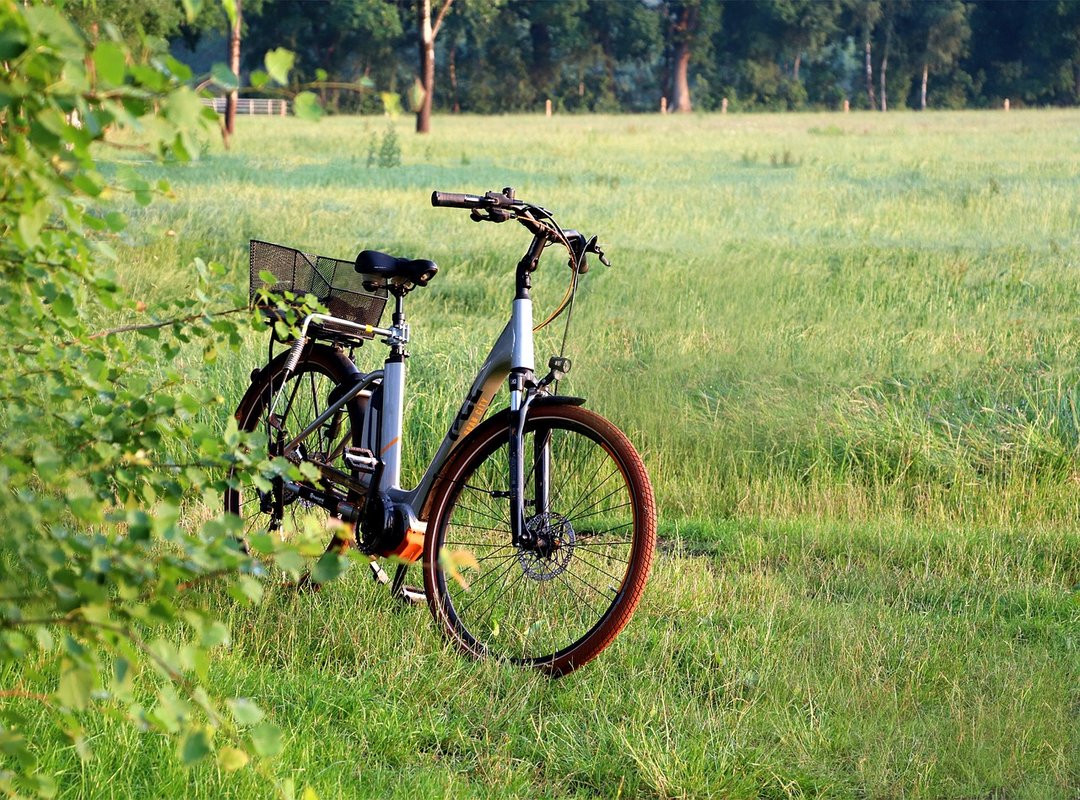
Aim for that sweet spot: 20-80%. It’s like finding balance in life, but easier.
Don’t mess with chargers either. Stick to the one your manufacturer gave you. Those cheap aftermarket ones?
They can fry your battery (not literally, but you get it).
Now, let’s talk storage. If you’re not riding for a while, keep the battery at about 50-70% and store it in a cool, dry place. Avoid leaving it in your car on a hot summer day.
Extreme temperatures are the enemy.
Riding conditions matter too. Riding uphill in the snow? Expect faster battery drain.
And keep those contacts clean. A little maintenance goes a long way.
Oh, and about those myths: You don’t need to fully discharge your battery before recharging. That’s just outdated advice.
Want more tips? Check out our beginners guide e textiles. It’s packed with takeaways for tech-savvy riders like you.
Stay smart and ride safe.
Safety First: Battery Management Systems Unplugged
Honestly, if you’re riding lithium battery bikes without a Battery Management System (BMS), you’re asking for trouble. A BMS is the unsung hero, keeping your ride safe from overcharging, over-discharging, and overheating. Wondering if low-quality batteries are worth the risk?
They’re not. They can lead to thermal runaway (basically) a battery meltdown.
Reputable brands know this and have safety nets in place to prevent such disasters. So, what can you do? Charge your bike in a well-ventilated area.
Keep an eye out for weird smells or heat. If something seems off, it probably is.
And let’s not forget: buy from trusted brands. Sure, it might cost more, but your safety is priceless. For safe riding, check out this resource.
Also, dispose of old batteries responsibly. Our planet will thank you.
Matching Batteries: Finding Your E-Bike’s Power
Choosing the right battery for lithium battery bikes isn’t just about size. It’s about what you need on your ride. Commuters, you might want something lightweight yet long-lasting.
Off-road adventurers, think about power and toughness. But for those who crave the open road for hours, go big on range.
And here’s a tip: sometimes paying more upfront saves you money in the long run. Better battery quality means better performance and safety. Also, think about whether you want a removable battery for easy charging.
Budget smartly. Your ride depends on it.
Own Your Ride with Knowledge
Understanding lithium battery bikes is important. Choosing the right battery isn’t just about specs; it’s about safety and performance. I want you to feel empowered.
Make informed decisions and enjoy your ride fully. Dive into battery knowledge today. It’s time to power your adventure with confidence.
Call now for more info.
 Gavryth Lornquill is a contributor at FMB Moto Apparel who focuses on motorcycle gadgets, riding accessories, and emerging trends in rider technology. Known for his detailed and informative writing style, he creates engaging content that helps readers discover practical innovations designed to improve the riding experience.