
I get it. You’re curious about diosasara leaks and other similar content. But let’s be real, this isn’t just about satisfying curiosity.
It’s a serious issue of digital privacy, security, and ethics.
These so-called “leaks” can cause significant harm to the people involved. And engaging with them? That’s risky business.
In this article, I’ll explain what these leaks really are, the damage they cause, and why you should think twice before clicking.
You’ll also get a clear understanding of the legal and personal consequences. Plus, I’ll share some actionable steps to protect your own digital privacy.
Trust me, it’s all about the facts and safety here. No sensationalism, just the truth.
What ‘Leaked Content’ Actually Means and Where It Comes From
Leaked content refers to the unauthorized and non-consensual distribution of private photos, videos, or information. It’s a serious violation of privacy.
- Malicious hacking of personal accounts: This includes cloud storage, social media, and other online platforms.
- Revenge porn from former partners: Ex-partners might share intimate content out of spite.
- Sophisticated phishing scams: These tricks can trick people into giving away their login details.
The motivations behind these actions vary. Some do it for financial extortion, others for personal revenge, and some just to cause harm and reputational damage.
It’s a common myth that this content is “released” by the individual for publicity. That’s almost never the case. It’s a violation of their privacy, plain and simple.
Think about it like this: if someone broke into your house and stole a personal diary to publish online, how would you feel? That’s the severity of leaked content.
Take diosasara leaks as an example. The person involved didn’t release that content; it was stolen and shared without their consent. It’s a stark reminder of the importance of digital security and the need to protect our private information.
The Real-World Consequences for Victims and Viewers
The impact on victims of non-consensual content, like the diosasara leaks, is devastating. They face severe emotional distress and long-term psychological trauma.
Their personal and professional relationships can be shattered. It’s not just a one-time event; it haunts them for years.
Legally, those who distribute this content are in deep trouble. Laws like the Violence Against Women Act (VAWA) in the U.S. make non-consensual pornography a federal crime. That means serious jail time and hefty fines.
But what about the viewers? They’re not off the hook either. Searching for and viewing this content comes with risks.
Illicit websites are often riddled with malware, viruses, and phishing schemes. Your device could be compromised, and your personal information stolen.
There’s also an ethical dilemma. Every click and share perpetuates the cycle of abuse and violation. By consuming this content, you directly contribute to the victim’s suffering and fuel the market for stolen private material. Fmbmotoapparel
Understanding these consequences can help you make better choices. You can protect yourself and others by avoiding such content. It’s a win for everyone.
Practical Steps to Protect Your Own Digital Privacy
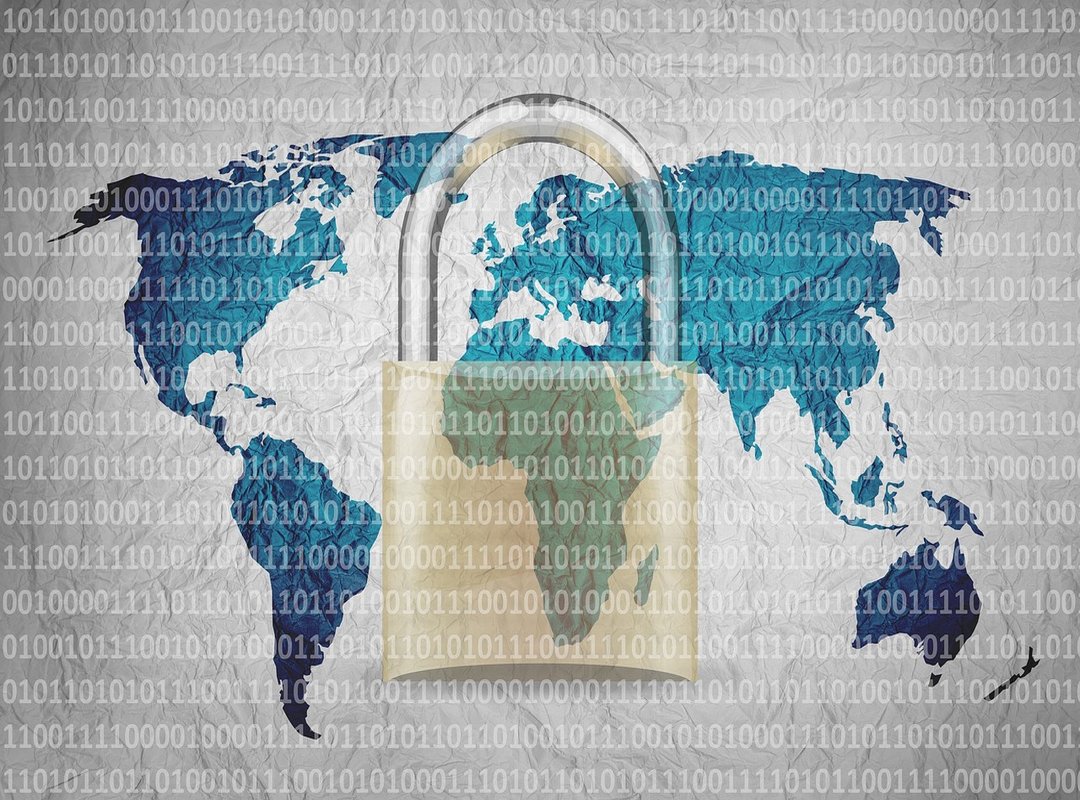
Use strong, unique passwords for every account and enable two-factor authentication (2FA) wherever possible, especially for email and cloud storage. This is basic, but it’s often overlooked. Don’t use the same password everywhere.
It’s like giving a thief the key to your entire life.
Conduct a privacy audit of your social media accounts. Limit who can see your personal information and posts. Most people share way too much online.
It’s not just about keeping strangers out; it’s also about controlling what friends and acquaintances can see.
Be cautious of phishing emails and messages. Spot them by looking for suspicious links, urgent requests for information, or odd language. If something feels off, trust your gut.
It’s better to be safe than sorry.
Think critically before sharing sensitive images or information with anyone, even trusted partners. Understand the risks involved. Remember the diosasara leaks?
Once something is out there, it’s nearly impossible to take back.
Pro Tip: Regularly review and update your privacy settings on all platforms. The more you stay on top of it, the safer you’ll be.
Choosing to Build a More Respectful Online Space
Online ‘leaks’ are a serious violation of privacy, not harmless entertainment. They cause immense, lasting damage. Both distributing and consuming this content have serious ethical and legal consequences.
diosasara leaks are no exception.
Your online choices are impactful. Choosing not to click or share is a vote for a safer, more respectful internet. Instead of searching for such material, focus on protecting your own privacy.
Report non-consensual content whenever you see it on legitimate platforms.
Empathy and digital citizenship are crucial in the modern world.
 Gavryth Lornquill is a contributor at FMB Moto Apparel who focuses on motorcycle gadgets, riding accessories, and emerging trends in rider technology. Known for his detailed and informative writing style, he creates engaging content that helps readers discover practical innovations designed to improve the riding experience.