
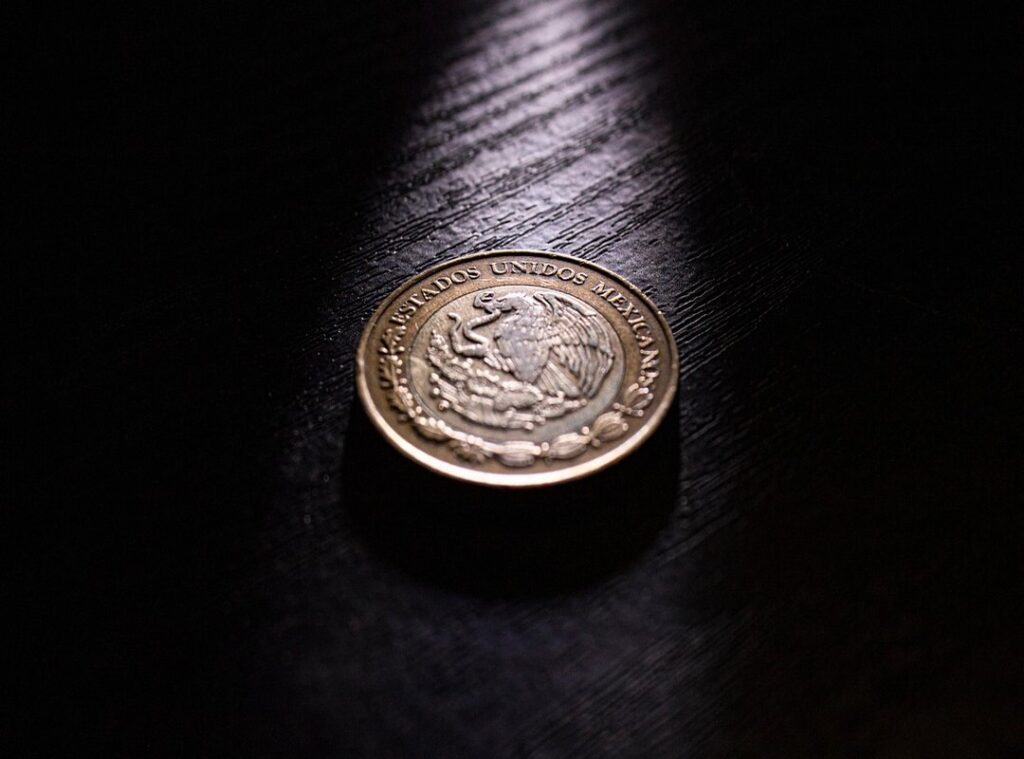
If you’re looking to convert 1200 pesos mexicanos a peso chileno, the current rate is around X CLP. Keep in mind, this rate is just a snapshot and can change daily.
Exchange rates aren’t set in stone. They move up and down based on a bunch of global factors. I’ll break these down in simple terms, so you get the full picture.
This guide will go beyond just giving you a number. We’ll cover the best ways to exchange currency, how to dodge hidden fees, and what makes each peso tick.
You might be planning a trip, handling business, or just moving money for personal reasons. This isn’t just a calculator; it’s a practical handbook for anyone needing to move money between Mexico and Chile.
We’ll dive into understanding the exchange rate, step-by-step conversion methods, and common pitfalls to avoid. Let’s get started.
What Really Determines the MXN to CLP Exchange Rate?
The mid-market rate is like the “real” exchange rate without any fees. It’s the benchmark you should use for comparison. Think of it as the price of avocados in different seasons—when there are more avocados, the price goes down; when they’re scarce, the price goes up.
Currencies work the same way. The value of the Mexican Peso (MXN) and the Chilean Peso (CLP) depends on how much people want them.
Interest rates set by central banks play a big role. Higher interest rates can attract more foreign investment, increasing demand for a currency.
Inflation data is another key factor. If one country has higher inflation, its currency tends to weaken because its buying power decreases.
The economic health and stability of both Mexico and Chile also matter. A strong economy usually means a stronger currency.
International trade and investment between the two countries affect currency demand too. More trade and investment mean more demand for each other’s currencies.
Why do you see a different rate on Google compared to what a bank or currency exchange service offers? It’s because of their profit margin, or spread. They need to make money, so they offer a slightly less favorable rate.
Some might argue that these factors are too complex and that the exchange rate is just a random number. But understanding these basics can help you make better decisions. For example, if you’re converting 1200 pesos mexicanos a peso chileno, knowing the mid-market rate can save you a lot of money.
Your Step-by-Step Guide to Exchanging Currency
Exchanging currency can be a bit of a headache, but with the right approach, you can save a lot of money. Here’s a step-by-step guide to help you through it.
-
Check the Current Mid-Market Rate
Start by checking the current mid-market rate for the currencies you want to exchange. This is the midpoint between the buy and sell rates on the global currency markets. It’s the fairest rate and will give you a benchmark. -
Choose Your Method
Method 1: Online Money Transfer Services (e.g., Wise, Remitly)
These services are great for lower fees and better rates. You often get more bang for your buck compared to traditional banks. However, you need to set up an account, and the transfer might take a few days.
Method 2: Traditional Banks
Banks offer security and convenience, especially if you’re already a customer. But they often charge higher fees and offer less favorable exchange rates. It’s a trade-off between ease and cost.
Method 3: In-Person Currency Exchange Offices
If you need cash immediately, in-person offices at airports or in cities are your go-to. However, they typically offer the worst rates and highest fees. It’s a last resort for most people.
Hypothetical Example
Let’s say you want to convert 1200 pesos mexicanos a peso chileno. Using a good online service, you might get a rate close to the mid-market rate, saving you a significant amount. At an airport kiosk, you could end up paying much more due to poor rates and high fees.
Compare at Least Two Different Services
Before making a transaction, compare at least two different services. This ensures you get the best value and don’t overpay. A little research can save you a lot of money.
By following these steps, you can make sure your currency exchange is as smooth and cost-effective as possible. Fmbmotoapparel
Costly Mistakes to Avoid When Converting Pesos
When you see “zero commission” or “no fee,” be wary. Companies often hide their charges in a marked-up exchange rate. It’s like they’re playing a game of hide and seek with your money.
Dynamic Currency Conversion (DCC) is another trap. It’s when a merchant offers to charge you in your home currency instead of the local one. Always decline this option.
The conversion rates are usually terrible, and you end up paying more.
Exchanging large amounts of cash at airports, and don’t do it. They have a captive audience and offer poor rates.
You might as well light your money on fire.
Using informal or unlicensed money changers can be risky. You could end up with counterfeit bills or get scammed outright. Stick to reputable banks and authorized exchange offices.
Always get a receipt for any transaction. Check the numbers carefully before leaving the counter. A quick double-check can save you from a lot of headaches later.
If you’re converting 1200 pesos mexicanos a peso chileno, make sure to use a reliable service. Do your research and compare rates. It’s better to spend a few extra minutes now than to lose a chunk of your hard-earned cash.
Frequently Asked Questions About Mexican and Chilean Pesos
Question: Is it better to exchange money before I travel or when I arrive in Chile?
It’s a good idea to exchange a small amount of cash before you travel. This way, you have some local currency for immediate needs like taxis or snacks. For the rest, wait until you get to Chile.
Use a reputable service there to avoid high fees.
Question: Can I use my credit/debit card in Chile instead of exchanging cash?
Sure, using your card can be convenient and secure. You don’t have to carry a lot of cash, and it’s easier to track your expenses. But watch out for foreign transaction fees.
They can add up quickly and eat into your budget.
Question: What has the historical trend of the MXN to CLP rate been like?
Over the past year, the Mexican peso (MXN) has generally strengthened against the Chilean peso (CLP). This means that 1200 pesos mexicanos a peso chileno might get you more CLP than it did a year ago. Still, exchange rates can be unpredictable, so it’s always a good idea to keep an eye on them.
Question: How can I track the exchange rate?
Use a reliable currency app or website, and many of these tools offer alert features. Set up an alert for the MXN to CLP rate.
This way, you can convert your money when the rate is favorable. It’s a simple way to stay informed and make smart decisions.
Currency Conversion
When converting 1200 pesos mexicanos a peso chileno, it’s important to check the current exchange rate. This will ensure you get an accurate conversion.
 Gavryth Lornquill is a contributor at FMB Moto Apparel who focuses on motorcycle gadgets, riding accessories, and emerging trends in rider technology. Known for his detailed and informative writing style, he creates engaging content that helps readers discover practical innovations designed to improve the riding experience.