I’ve spent years testing motorcycle pants in conditions that would make most riders turn around and head home.
You’re probably here because you’re tired of guessing which pants will actually protect you when it matters. The options are endless and the marketing claims all sound the same.
Here’s the reality: most riders choose pants based on price or looks. Then they find out too late that what they bought doesn’t work for how they actually ride.
I built this guide to cut through that confusion. We’ve tested materials until they failed. We’ve collected feedback from riders who’ve gone down. We’ve studied what works in real crashes, not just in labs.
This is how to choose motorcycle pants fmbmotoapparel that match your specific needs.
You’ll get a clear framework for evaluating safety features, understanding what different materials actually do, and matching pants to your riding style. No fluff about heritage or lifestyle. Just the technical details that matter when you’re on the road.
By the time you finish reading, you’ll have a personalized checklist. You’ll know exactly which features you need and which ones you’re paying extra for but will never use.
Step 1: Define Your Ride – Matching Pants to Your Motorcycle
Your bike tells me what pants you need.
I’m serious. The type of motorcycle you ride dictates almost everything about the protection and features you should look for.
Most riders get this backwards. They pick pants they think look good and then wonder why they’re uncomfortable or underprotected for their actual riding style.
Let me break this down by riding type.
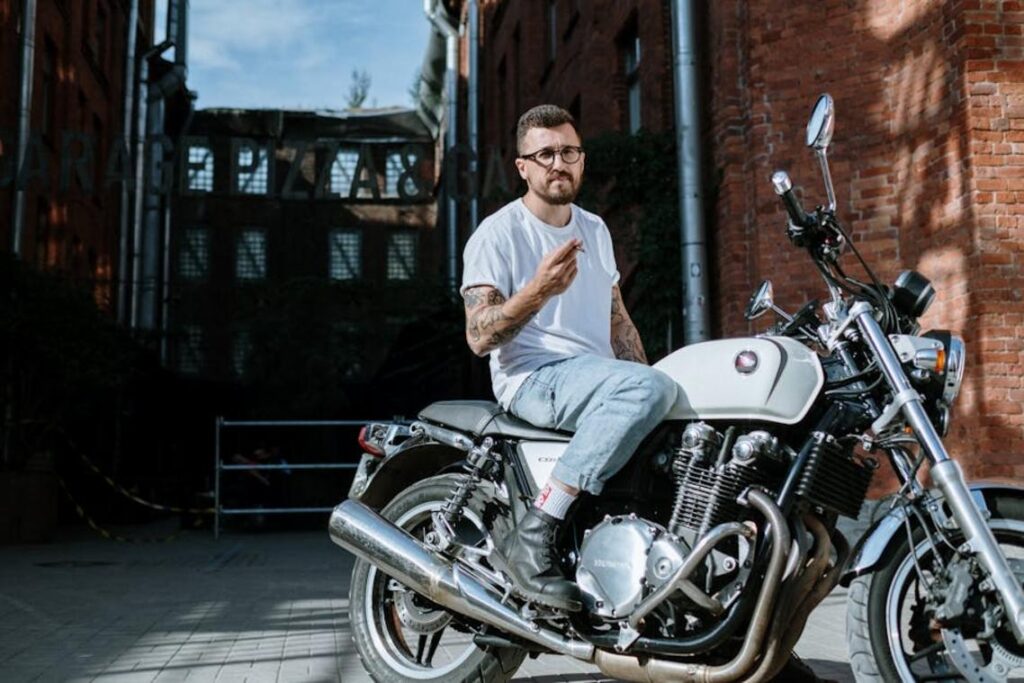
The Urban Commuter & Cruiser
You need pants that work on and off the bike.
I recommend abrasion-resistant riding denim or textile pants that don’t scream “motorcycle gear” when you walk into a coffee shop or office. Comfort matters here because you’re getting on and off constantly.
Look for armor pockets you can actually access without taking the pants off. You want to adjust protection based on your ride length (a quick grocery run versus a weekend cruise are different things).
Flexibility is key. Your pants should move with you when you’re lane splitting through downtown traffic or just sitting at a stoplight.
The Sport & Track Rider
This is where protection gets serious.
You’re pushing limits. Your body position is aggressive. You need leather or high-denier textile construction that can handle a slide at speed.
Pre-curved knees aren’t optional. They’re required. Your knees stay bent most of the ride and pants that fight this position will destroy your focus.
Stretch panels make the difference between pants that restrict your movement and pants that move with you through corners. And if you’re doing track days, you’ll want options for knee sliders.
When you’re figuring out how to choose motorcycle pants fmbmotoapparel, your riding position should be the first thing you consider.
The Adventure & Touring Rider
Weather changes everything on long rides.
I’ve seen riders start in 85-degree heat and end up in mountain rain within the same afternoon. You need multi-season pants that adapt.
Look for removable thermal liners and waterproof layers you can add or strip away. Ventilation systems that actually move air (not just mesh panels that do nothing).
The construction needs to handle varied terrain. Gravel roads, highway miles, dirt paths. Your pants take a beating from rocks, rain, and everything between.
Durability isn’t negotiable here. You’re miles from home and you can’t afford gear that fails.
Step 2: Decode the Technology – Materials and Protective Fabric
You can’t pick the right pants if you don’t understand what they’re made of.
I see riders all the time who think any thick fabric will protect them. Or they assume leather is always better than textile. Neither is true.
The material you choose changes everything. How safe you are. How comfortable you ride. How long your gear lasts.
Let me break down what actually matters.
Full-Grain Leather: Maximum Protection With Trade-offs
Full-grain leather is still the benchmark for abrasion resistance.
When you slide across pavement, nothing holds up better. It’s thick. It’s tough. It won’t melt or tear apart like cheaper materials.
But here’s what most people don’t tell you.
Leather gets hot. It doesn’t breathe well, so summer rides can be brutal. And it needs care. Leave it wet or dirty and it’ll crack and stiffen over time.
Some riders say leather is outdated. That modern textiles are just as safe and way more practical. And in some cases, they have a point.
But if you want pure abrasion resistance? Leather still wins.
Advanced Textiles: Understanding Denier Ratings
This is where things get interesting.
Cordura and ballistic nylon use something called a denier rating. It measures how thick and tough the fibers are. Higher denier means more protection.
Most quality riding pants use 500D to 1000D fabric. That’s enough to handle serious slides while staying breathable and weather-resistant.
Textiles dry faster than leather. They’re lighter. And they work better in changing conditions (which matters if you actually ride year-round).
Protective Riding Denim: The Aramid Advantage
Riding jeans look normal but use aramid fiber linings. You’ve probably heard of Kevlar. Same concept.
Here’s the difference that matters.
Fully-lined jeans have aramid throughout the entire pant. Panel-lined versions only put it in high-risk areas like hips and knees. Fully-lined gives you more protection. Panel-lined gives you more comfort and flexibility.
Neither is wrong. It depends on how you ride and what risks you’re willing to take.
Hybrid Construction: The Best of Both Worlds
Now we’re getting somewhere.
What if you didn’t have to choose between leather’s protection and textile’s comfort?
That’s where hybrid construction comes in. Leather goes in impact zones where you need maximum abrasion resistance. Textile goes in flex areas where you need to move.
When you’re figuring out how to choose motorcycle pants fmbmotoapparel uses this approach because it makes sense. You get safety where it counts and mobility where you need it.
No compromises. Just smart design based on real riding conditions.
Step 3: Understanding the Armor – CE Ratings Explained
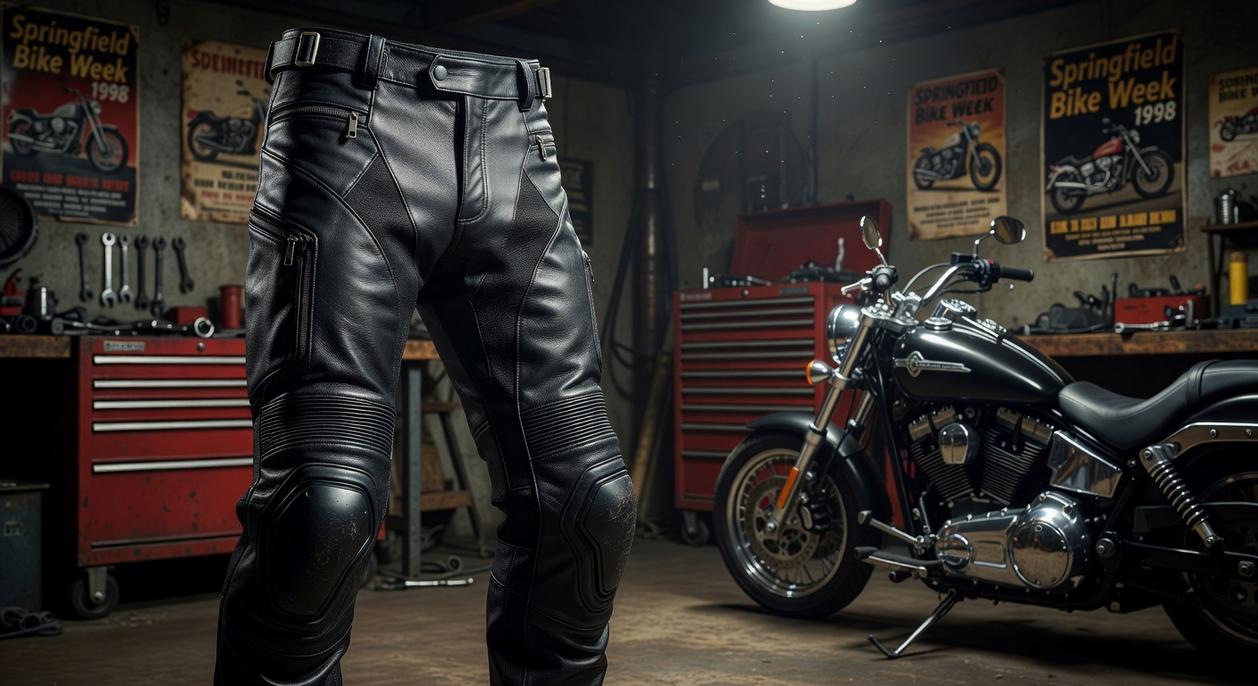
You’ve seen those little CE tags sewn into your gear.
Most riders ignore them. I used to do the same thing until I realized what I was missing.
Here’s what nobody tells you about armor ratings. They’re not just bureaucratic labels. They tell you exactly how much protection you’re getting when you hit the ground.
Let me break this down.
What CE Certification Actually Means
CE stands for Conformité Européenne (yeah, it’s French). It’s the standard that measures how well armor protects your knees, hips, shoulders, elbows and back.
When you see that mark, it means the armor passed specific impact tests. Without it? You’re basically guessing.
Level 1 vs. Level 2: The Real Difference
Level 1 armor is what you’ll find in most motorcycle gear fmbmotoapparel. It’s flexible and comfortable for daily rides. The impact force transmitted through Level 1 armor averages around 35 kN.
Level 2 cuts that force roughly in half. We’re talking about 18 kN or less getting through to your body.
But here’s the tradeoff. Level 2 armor is bulkier and stiffer. You feel it when you move.
I recommend Level 1 for commuting and casual rides where comfort matters. Save Level 2 for highway trips or spirited riding where the extra protection justifies the bulk.
The Garment Rating System: A, AA, AAA
Now this is where it gets interesting. The EN 17092 standard rates entire garments, not just the armor inside them.
Class A is for urban riding. Think city streets and short trips. The abrasion resistance is decent but won’t hold up long in a slide.
Class AA steps up for touring. More coverage and better materials that can handle higher speeds.
Class AAA? That’s race suit territory. Maximum abrasion resistance and impact protection. It’s what I wear when I’m pushing limits on twisty roads.
Here’s what most guides won’t tell you. You can mix and match. AA pants with an AAA jacket makes sense if you’re worried about upper body protection but want comfort down below.
When you’re figuring out how to choose motorcycle pants fmbmotoapparel, check both the armor level and the garment class. A Class A pant with Level 2 armor still won’t protect you as well as a Class AA pant with Level 1 armor in a real crash.
The fabric matters just as much as what’s underneath it.
Step 4: Nailing the Fit and Essential Features
Here’s where most riders mess up.
They find pants with great armor and solid materials. Then they buy a size too big because they want comfort.
Bad move.
Your pants need to fit snug without cutting off circulation. When you’re sitting on your bike (not standing in your garage), the armor should sit directly over your knees and hips. If it’s sliding around, it won’t protect you when you need it.
I see this all the time. Someone buys pants that feel great in the store. Then they get on their bike and the knee armor is halfway down their shin.
Now, some people say you should size up for layering. They argue that you need room for thermals underneath during winter rides.
Fair point. But here’s the problem with that thinking.
Most modern pants already account for this with adjustment straps. You don’t need to compromise your fit year-round for a few cold months.
When you’re looking at how to choose motorcycle pants fmbmotoapparel, pay attention to these features:
Adjustment options matter more than you think. Waist straps let you dial in the perfect fit. Cuff adjustments keep wind from blowing up your legs at highway speeds.
Ventilation zippers turn summer rides from miserable to manageable. I’m talking about thigh and calf vents that actually move air.
Connection zippers link your pants to your jacket. This keeps your shirt from riding up and exposing your back (which feels awful at 70 mph).
For weather protection, you’ve got two main technologies. Gore-Tex membranes keep water out while letting sweat escape. DWR coatings make water bead up and roll off.
Neither is perfect. Membranes cost more but last longer. Coatings are cheaper but need reapplication every season.
The right choice depends on where you ride and how often you’re caught in rain.
Ride with Confidence and Uncompromised Safety
You now know how to evaluate motorcycle pants based on what actually matters.
Your riding style. The safety technology. The fit that works for your body.
No more guessing whether you’re sacrificing protection for comfort or style for safety. That trade-off doesn’t exist anymore if you know what to look for.
I built this four-step process because riders deserve better than marketing hype. You need a clear method to assess gear before you buy it.
How to choose motorcycle pants fmbmotoapparel comes down to understanding the technology behind the fabric and armor. When you know what questions to ask, you make smarter investments.
Here’s your next move: Take the checklist you just learned and explore our collection. Look at each pair through the lens of your specific riding needs. Match the technology to your journey.
Every piece we design sits at the intersection of protection and performance. You shouldn’t have to compromise on either.
Your gear should work as hard as you do on the road.
 Vynovox Rune is the founder of FMB Moto Apparel, a platform focused on exploring the evolving relationship between motorcycle culture, advanced technology, and modern riding apparel. Passionate about innovation and rider performance, Vynovox created the platform to provide enthusiasts with informative coverage on smart gear, protective equipment, and emerging technologies shaping the future of motorcycling.