

I used to lie awake thinking about money.
Not in a good way.
You probably do too.
Or you’re tired of feeling stuck.
This is How to Improve Your Financial Position Jexphacks. Not theory. Not hype.
Just what worked when I was broke, confused, and sick of spreadsheets that lied to me.
Most people don’t need more motivation. They need clear steps. Right now.
You want to stop stressing. You want your money to do more than just disappear. You want to know exactly what to change first.
And why it matters.
I’ve been there. I cut the fluff. I kept only what moved the needle.
No jargon. No “just save more” nonsense. No pretending credit cards are fine if you pay them off (they’re not).
This guide breaks down real financial health into small, doable moves. Some take five minutes. Some take five days.
All of them add up. Fast.
You’ll walk away knowing what to do tomorrow morning.
And how to keep doing it.
Get Clear on Your Cash
I track every dollar I earn and spend. Not because I love spreadsheets (I don’t), but because I hate guessing where my money went.
You need to see the real numbers. Not what you think you spent, but what actually left your account.
Start with a notebook. Pen and paper works. Or use a free app.
Or a simple spreadsheet. Pick one. Use it for two weeks.
Categorize everything: rent, groceries, gas, coffee, that weird $12 charge from “CloudSync LLC” (what is that?).
This isn’t about shame. It’s about spotting patterns. Like how “just one more latte” adds up to $180 a month.
You’ll find leaks. You’ll spot habits you didn’t know you had.
Awareness isn’t judgment. It’s power.
That’s where How to Improve Your Financial Position Jexphacks comes in. Real talk, no fluff.
You can’t fix what you can’t see.
So look.
Really look.
What’s the first thing you’d cut if you had to?
(You already know the answer.)
Budgets Aren’t Jail Sentences
I tracked every dollar for six months.
Coffee, gas, that random $4.99 app subscription. I wrote it all down.
Then I grouped it into two piles: needs and wants. Needs keep the lights on. Wants make the lights look prettier.
You know the difference. (Most of the time.)
The 50/30/20 rule? It’s a decent starting point (not) gospel. I tried it.
Broke it. Adjusted it. My rent is 62% of take-home pay.
So I moved savings to 10% and cut dining out hard.
Realistic limits matter more than perfect math. If you spend $200 on groceries now, don’t force $120 just because a spreadsheet says so. Try $175.
See what sticks.
A budget is a tool (not) a boss. It bends when life throws curveballs. I missed a car payment last year.
Did I scrap the whole thing? No. I paused savings for two months and kept going.
Flexibility isn’t failure. It’s honesty.
How to Improve Your Financial Position Jexphacks starts here. Not with debt payoff calculators, but with your actual spending habits. Not what you should spend.
What you do.
Write it down. Categorize it. Change one thing this week.
That’s enough.
Pay Off Debt Faster Than You Think
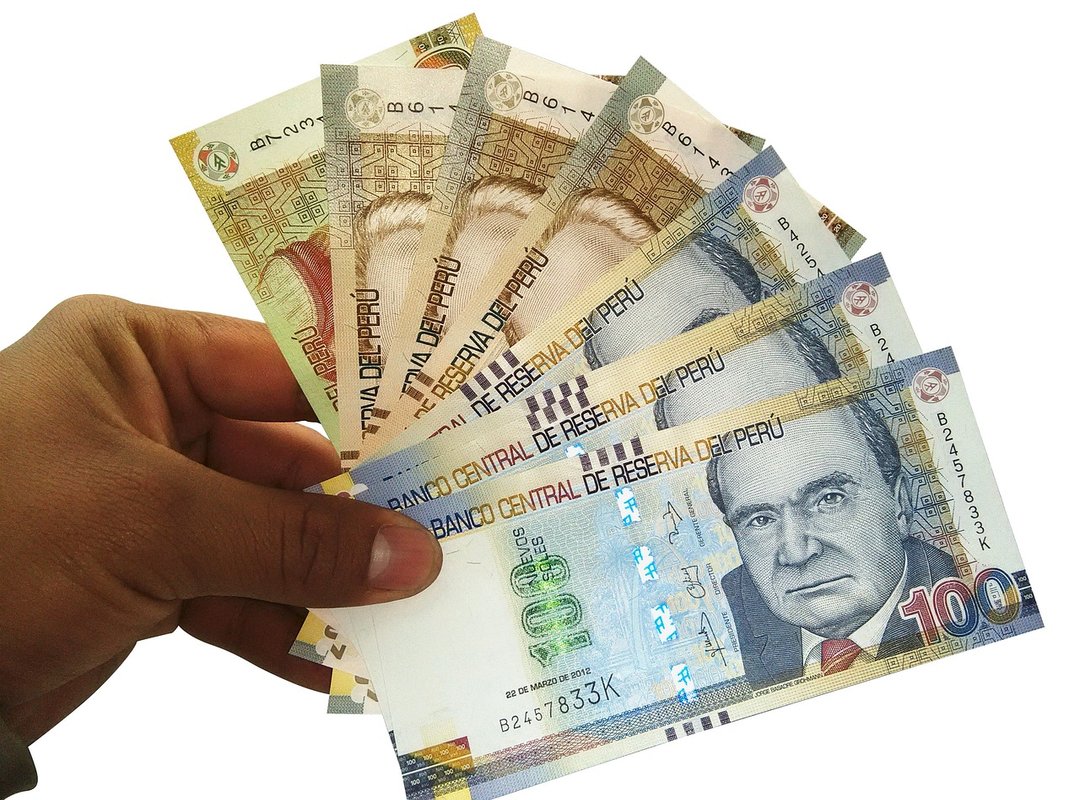
High-interest debt steals money every single month.
It’s not just the payment. It’s the interest piling up while you sleep.
I tried the debt snowball method first. Pay the smallest balance first, then roll that payment into the next smallest. It feels good to cross things off.
But it costs more long-term.
Then I switched to the debt avalanche. Hit the highest interest rate first. Credit cards, payday loans, anything over 15%.
You save real money. Not just pennies. Hundreds.
Maybe thousands.
You ask yourself: Where do I even find extra cash?
I cut my streaming subscriptions. Canceled two gym memberships I never used. Drove less.
Ate lunch at home. Small stuff adds up fast.
You can also earn a little extra. Sell old gear. Do weekend gigs.
Flip thrift finds. Jexphacks everyday hacks by jerseyexpress has real ideas. Not theory (for) squeezing out $20. $50 a week.
If you’re behind or barely keeping up? Call your creditors. They’d rather get something than nothing.
Many will lower rates or pause payments. You won’t know unless you ask.
How to Improve Your Financial Position Jexphacks starts here. Not with perfect credit, but with one honest conversation and one extra dollar paid toward debt. That’s how it begins.
And how it ends.
Save Before You Spend
I keep three months of rent, groceries, and insurance in a separate savings account. Not six. Not twelve.
Three. Because if my bike breaks down or I get sick, I need cash. Not credit.
You don’t need perfection to start. I began with $15 a week. Automated it.
Forgot about it. That’s how it works.
Set up auto-transfers the same day you get paid. Even $10 counts. Especially $10.
Consistency beats size every time.
An emergency fund isn’t about “being ready.”
It’s about not panicking when your tire blows out at 2 a.m.
Or when the mechanic says “$800, cash.”
Once that fund hits three months? Then save for something real. Like a down payment.
Or new gear. Or just a weekend away. No stress, no debt.
Don’t wait for “more money.”
You won’t get it.
You’ll just get older.
How to Improve Your Financial Position Jexphacks starts here (with) action, not theory. And if you want a no-BS guide that skips the fluff? Check out Jexphacks.
It’s short. It’s direct. It’s written by someone who’s been broke and fixed it.
Your Money, Your Move
I’ve been where you are. Staring at bank statements wondering where it all went. You want stability.
You want growth. You want to stop stressing about rent, credit cards, or surprise bills.
That’s why How to Improve Your Financial Position Jexphacks works. It’s not theory. It’s spending tracked.
Budgets written. Debt attacked. Savings started.
Clarity comes from seeing the numbers. Control comes from choosing what happens next. A real path forward starts with one thing.
Not ten.
So pick one step today. Just one. Track your spending for 48 hours.
Write a bare-bones budget on a napkin. Call one creditor and ask about lower rates. Set up a $5 auto-transfer to savings.
Do it now (not) Monday. Not after “things calm down.”
Because calm doesn’t come from waiting. It comes from acting.
You already know what’s holding you back.
You also know what you need to do next.
Start your journey to better financial health today!
 Gavryth Lornquill is a contributor at FMB Moto Apparel who focuses on motorcycle gadgets, riding accessories, and emerging trends in rider technology. Known for his detailed and informative writing style, he creates engaging content that helps readers discover practical innovations designed to improve the riding experience.