

I hate tech articles that sound like they’re written by robots for robots.
You know the ones.
Dense. Boring. Full of words no human says out loud.
Tech Geeks Dtrgstechfacts is not that.
It’s a place where real people who love tech. Like you or me (get) straight facts that actually stick.
Not fluff. Not jargon. Just true, interesting things about how stuff works.
Why is it so hard to find tech info that’s both accurate and fun to read?
Because most writers either dumb it down too much. Or lock it behind layers of nonsense.
I’ve spent years digging into gadgets, code, and systems. Not to impress anyone. But to understand them well enough to explain them simply.
No lectures. No buzzwords. Just clear, punchy facts you’ll remember.
You’re here because you want to learn something cool without wasting time.
So let’s cut the noise.
This article gives you real tech facts (explained) like a conversation, not a textbook.
You’ll walk away knowing more (and) actually caring about it.
What Even Is a Tech Geek?
A tech geek is someone who gets weirdly excited about how stuff works.
Not just computers. Phones, game consoles, AI models, rocket software, even smart toasters.
I know people who rebuild laptops for fun. Others track every rumor about the next iPhone like it’s breaking news. Some dissect app privacy policies over coffee.
(Yes, really.)
It’s not about knowing everything.
It’s about asking why and how. Then chasing the answer down a rabbit hole.
You don’t need a degree. You don’t need to code. You just need that itch to poke at the world and see what lights up.
Tech Geeks Dtrgstechfacts? That’s where I go when I want real talk. Not hype (about) what’s actually changing.
Some geeks build PCs. Some debug their smart home until 2 a.m. Some argue about battery chemistry in Discord servers.
None of it is “just tech.”
It’s curiosity wearing headphones and drinking too much coffee.
You’re probably one already.
You just didn’t know the label was yours.
Tech Facts That Made Me Laugh Out Loud
The first computer mouse was made of wood. Douglas Engelbart built it in 1964 because he needed something cheap and fast to prototype. (Yes, the thing you click all day started as a block with two metal wheels.)
Why does your keyboard look like it’s fighting you? QWERTY was designed for mechanical typewriters in the 1870s (to) slow typists down and stop keys from jamming. We kept it.
Not because it’s smart. Just because it stuck.
Your phone has more computing power than the entire Apollo 11 guidance system. NASA’s onboard computer had 64 KB of memory. An iPhone has over 64 million times that.
(And it runs TikTok.)
The internet uses more electricity than most countries. Globally, it burns about 460 terawatt-hours per year. That’s more than the UK.
More than Japan. And no one talks about it at dinner.
You ever stop and think how weird that is? How much invisible work happens every time you scroll? How much history is buried in things we use without question?
Tech Geeks Dtrgstechfacts
We accept old designs, outdated logic, and insane energy use. Just because they’re familiar. What else are we ignoring?
What else are you using without asking why?
Mistakes I Made (So You Don’t Have To)
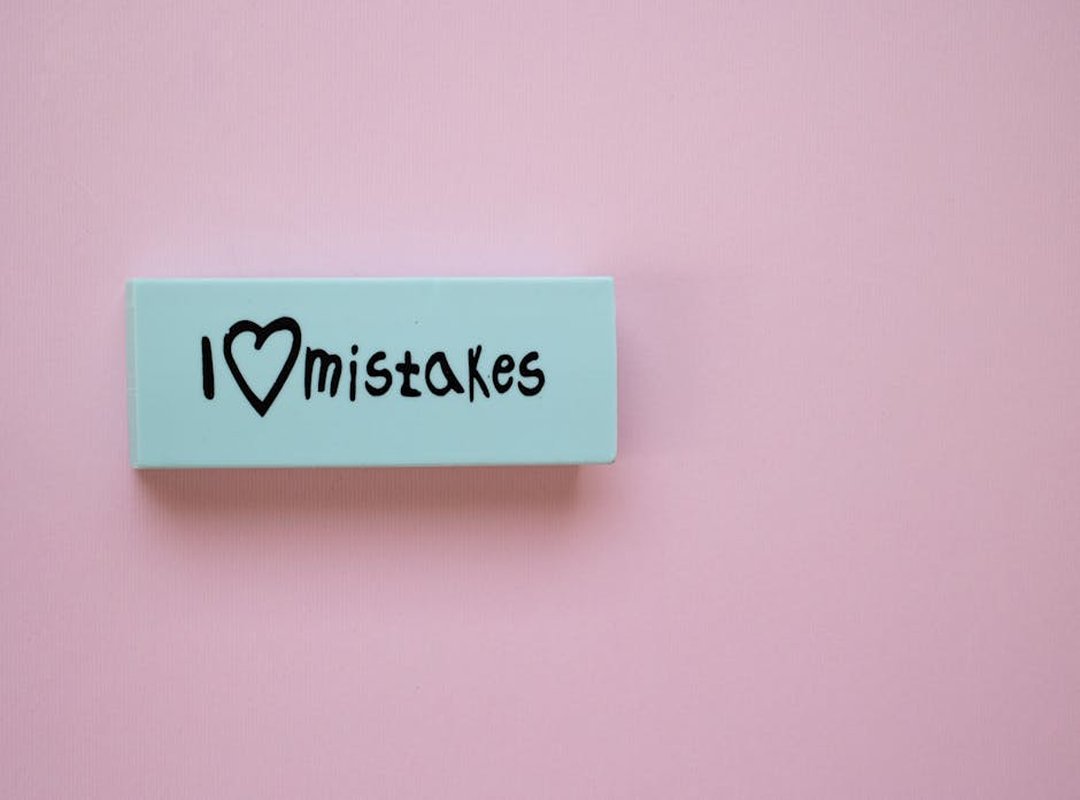
I bought a smart thermostat because it promised savings.
It saved me money (until) I forgot to adjust it for vacation and it heated an empty house for three days.
I wore a fitness tracker for six months. It counted steps, sure. But I ignored the sleep data until my energy crashed.
Turns out, 4 hours of broken sleep isn’t “fine.”
Self-driving cars? Cool idea. But I once trusted GPS too much and drove straight into a flooded street.
(Yes, really.)
Online classes sounded perfect (flexible,) modern.
Then I realized my Wi-Fi couldn’t handle Zoom and my kid’s math app and the neighbor’s drone footage streaming next door.
Smart lights turned on at 3 a.m. because I misnamed a routine. “Goodnight” triggered “Sunrise Mode.” No joke.
I assumed tech would just work. It doesn’t. It needs setup.
It needs updates. It needs you to read the damn manual. Even if it’s just three pages.
Tech Geeks Dtrgstechfacts? Yeah, I used to think that meant knowing every spec. Turns out it means knowing when to unplug, reboot, or walk away.
You ever set a smart speaker to whisper your alarms? I did. Woke up confused and squinting at 5:47 a.m.
The lesson isn’t about gadgets.
It’s about matching tools to real life (not) the other way around.
Dtrgstechfacts helped me stop chasing shiny features and start asking: Does this actually solve something I feel?
Tech Terms, Not Tech Babble
The cloud is not magic. It’s just someone else’s computer.
I store my photos there because my phone runs out of space. (Which happens way too often.)
You access it over the internet. Not on your laptop. Not on your thumb drive.
Somewhere far away. And that’s fine.
AI is not Skynet. It’s pattern recognition on repeat.
Siri guesses what you meant. Netflix picks shows you’ll probably watch. Your bank flags weird purchases.
All AI. All boring until it fails.
A gigabyte? Think of it as a box. A terabyte is a bigger box.
Same idea. Just more room.
My phone has 128 GB. That holds about 30,000 songs. Or 100 hours of video.
Or one very large game that updates every Tuesday.
An algorithm is just a recipe. A list of steps.
Instagram uses one to decide which friend’s dog photo shows up first. Google uses one to rank search results. You follow one when you bake cookies (even) if you don’t call it that.
None of this needs jargon. None of it needs reverence.
You don’t need to be a coder to understand it. You just need to stop letting tech companies rename simple things.
Tech Geeks Dtrgstechfacts get this right away. They skip the fluff and go straight to what works.
If you want plain talk. Not hype. Check out Computer Geeks Dtrgstechfacts.
Keep Digging
You wanted tech facts that don’t make your eyes glaze over.
You got them.
That’s the whole point of Tech Geeks Dtrgstechfacts.
Most tech writing feels like climbing a ladder with missing rungs. I’ve been there. You’ve been there.
It’s not that you’re not smart (it’s) that nobody bothered to explain it to you.
So we cut the jargon. We skip the fluff. We land on one clear fact at a time.
That works because curiosity doesn’t need a degree.
It just needs a door left open.
You don’t have to build a robot to be a tech geek. You just have to ask why your phone updates at 2 a.m. Or wonder how Wi-Fi passes through walls but not your microwave.
Or notice how weird it is that “cloud” storage lives in a building somewhere in Nevada.
Stay curious.
That’s all it takes.
Read one more article. Watch that documentary you bookmarked last month. Plug in an old gadget and see what happens.
Ask a dumb question. Then another.
The best tech geeks aren’t the ones who know everything.
They’re the ones who keep asking.
So go ahead. Click the next headline. Open that YouTube video.
Tinker for ten minutes.
Your brain is ready.
You just needed permission to start small.
Now go.
 Gavryth Lornquill is a contributor at FMB Moto Apparel who focuses on motorcycle gadgets, riding accessories, and emerging trends in rider technology. Known for his detailed and informative writing style, he creates engaging content that helps readers discover practical innovations designed to improve the riding experience.