
You’re here because you’ve heard about cmariel1990 leaked. It’s a term that’s been trending, and it’s got everyone curious. But let’s step back for a moment.
This article isn’t just about that one search term. We’re going to dive into the bigger picture: online data leaks.
Why? Because these leaks are more common than you might think. And they can be dangerous.
You might be tempted to search for such content, but there are real risks involved.
Our goal is simple: to give you a clear, safe, and informative guide. We’ll explain what’s really behind these searches and how to protect your own personal information.
We’re not here to spread rumors or speculate. We’re here with facts and safety tips. By the end, you’ll have a better understanding of the dangers and some actionable steps to secure your digital life.
The Hidden Dangers of Searching for Leaked Content
Websites promising access to leaked files, like cmariel1990 leaked, are often traps for unsuspecting users.
Here’s what you need to know:
- Malware, spyware, and ransomware. These can be hidden in downloadable files or behind deceptive links.
- Phishing scams. Users are tricked into giving up personal information like passwords or credit card details.
- Fake content and endless ad loops. These are designed to generate revenue for malicious site owners, wasting your time and exposing you to risk.
Searching for leaked content is like walking through a digital minefield. The promised ‘treasure’ is rarely real, but the dangers are.
The risk of compromising your own data is far greater than the chance of finding any authentic content.
So, what should you do?
Stay away from these sites. Use reputable sources for your entertainment and information.
If you see a link to leaked content, think twice. It’s not worth the risk.
How Private Information Actually Ends Up Online
Ever wonder how your private info ends up splashed across the internet? It’s not always as simple as a careless mistake. Sometimes, it’s a lot more sinister.
Data breaches are a big one. Hackers break into large company servers—think social media sites or cloud storage—and steal user data. It’s like a digital heist, and once they’re in, your personal info is fair game.
Phishing attacks are another common culprit. You get an email that looks legit, or you visit a site that seems real, but it’s all a ratchet to trick you into giving away your login credentials. It’s easy to fall for, and before you know it, your info is in the wrong hands.
Weak or reused passwords are a major issue too. If you use the same password everywhere, and one account gets hacked, it’s like a domino effect. Suddenly, all your accounts are at risk.
It’s why I always tell people to use unique, strong passwords for each site.
Social engineering is a sneaky method. It’s when someone manipulates you into revealing your info, maybe by pretending to be a friend or a trusted organization. They play on your trust, and it works more often than you’d think.
Sometimes, it’s even simpler. Someone with physical access to your device can share your content without your consent. It’s a reminder that not all threats are high-tech.
Victims of leaks, like cmariel1990, are often targeted by sophisticated methods and are not to blame. It’s important to remember that even the most cautious person can fall victim to these tactics. cmariel1990 leaked
Actionable Steps to Protect Your Digital Privacy Today
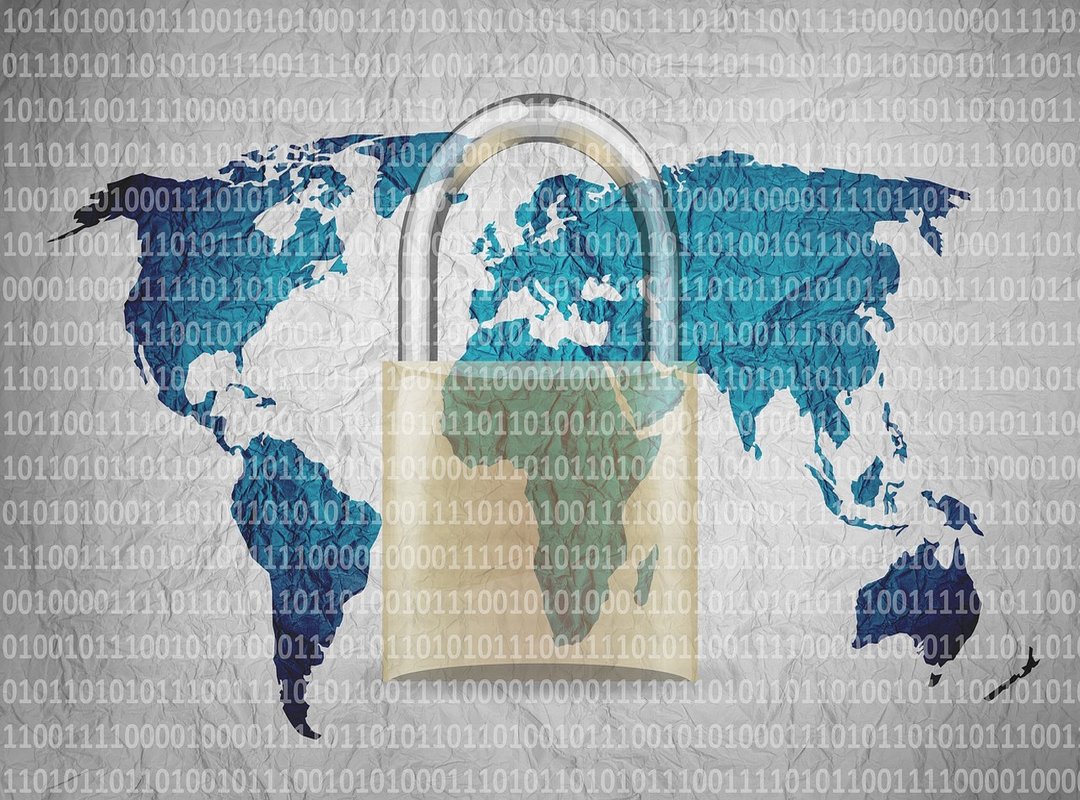
Digital privacy is a big deal. You’ve probably heard about data breaches and identity theft. Let’s get real—protecting your info isn’t just smart; it’s essential.
Step 1: Enable Two-Factor Authentication (2FA) on all critical accounts.
Think of 2FA as a digital deadbolt for your accounts. It adds an extra layer of security, making it much harder for hackers to break in. According to a study by Google, using 2FA can block 100% of automated bot attacks.
Step 2: Create and manage strong, unique passwords for every site.
Using the same password everywhere is like giving a thief a master key to all your locks. A password manager can help you generate and store complex passwords. This way, you don’t have to remember them all.
Step 3: Conduct a privacy audit of your social media accounts.
Check and limit what information is public, and who can see your posts? Who can send you friend requests?
Adjust your settings to keep your personal life private. Remember, once something is online, it’s hard to take back.
Step 4: Be skeptical of unsolicited links and downloads.
Teach yourself the ‘hover before you click’ rule. Hover over a link to see where it leads. If it looks suspicious, don’t click.
This simple habit can save you from phishing scams.
Step 5: Regularly review app permissions on your phone.
Revoke access for apps that don’t need your location, contacts, or photos. Just because an app asks for permission doesn’t mean it needs it. cmariel1990 leaked is a stark reminder of how easily personal data can be exposed.
These small, consistent habits are the most effective defense against becoming a victim of a data leak. Stay vigilant, and your digital life will be much safer.
A Final Word on Digital Responsibility
Searching for cmariel1990 leaked or any other leaked content is a high-risk activity. It fuels a harmful cycle and puts your own security in jeopardy.
The most powerful action you can take is to focus on protecting your own digital footprint. This means being vigilant about the information you share and the security measures you use.
Sharing or possessing certain types of leaked private content can have serious ethical and legal implications. These actions can lead to severe consequences, including legal penalties and damage to personal and professional reputations.
Instead of seeking out exposed data, champion personal privacy for everyone. Encourage others to do the same.
Instead of searching for someone else’s exposed data, take five minutes right now to secure your own. Start by turning on 2FA for your primary email account.
 Elrythia Duskbane contributes to FMB Moto Apparel with a strong focus on motorcycle fashion, protective apparel, and rider lifestyle trends. Passionate about blending style with functionality, she creates content that highlights the importance of comfort, safety, and innovation within modern riding gear.