
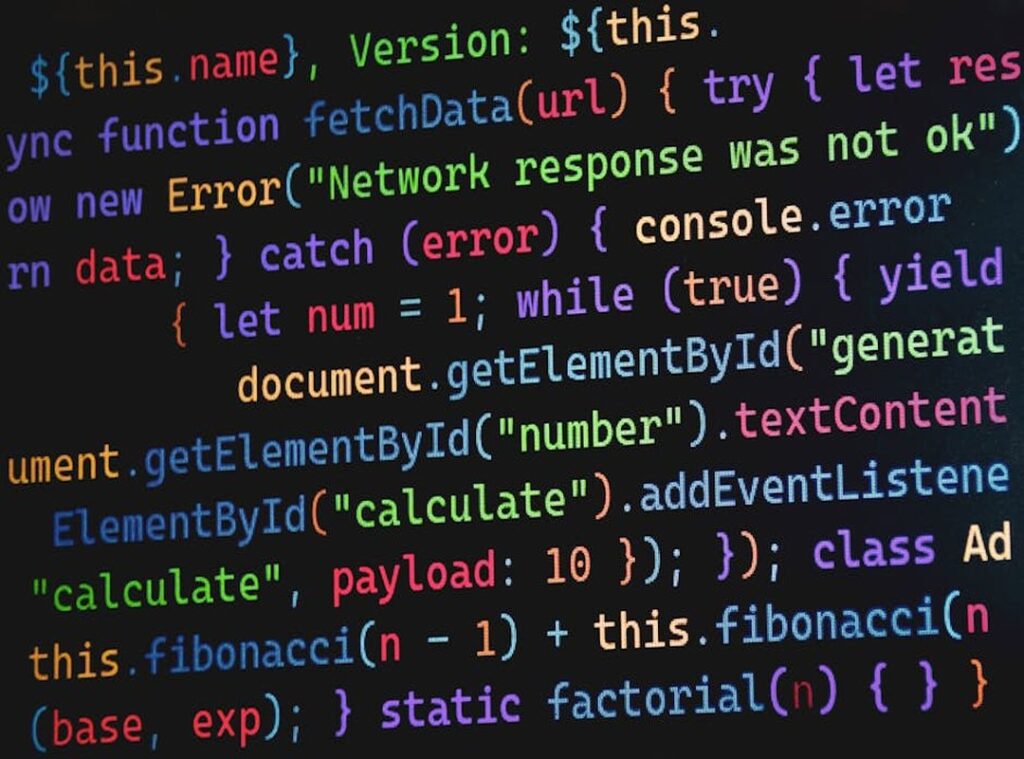
You’ve stared at code before and thought What even is this?
I have too.
This Guide in Programming Dtrgstechfacts isn’t another dense textbook.
It’s how I learned (by) doing, breaking things, and asking dumb questions out loud.
You don’t need a computer science degree. You don’t need to memorize syntax before writing your first line. You just need to start.
Some people say programming is hard. I say they’re using the wrong starting point. Dtrgstechfacts strips away the noise.
No jargon. No gatekeeping. Just clear steps that work.
You’re probably wondering: Can I really do this without prior experience?
Yes. I did it. So can you.
We’ll cover what programming actually means (not) the myths. Why Dtrgstechfacts changes how fast you learn. And exactly how to write real, working code in under an hour.
No fluff. No filler. Just you, your laptop, and a path forward.
By the end, you’ll know what to build next (and) how to build it.
Programming Is Just Talking to Machines
I taught my nephew to code last summer. He was nine. We built a bouncing ball game in ten minutes.
Programming is giving computers clear, step-by-step instructions. Like telling your friend how to get to your house. Turn left at the gas station, go two blocks, look for the blue door.
Or following a recipe. Mix flour and eggs before you bake.
Computers don’t guess. They do exactly what you say. So if it breaks?
You messed up the steps. (And yes, you will.)
I use it to fix broken websites. My neighbor uses it to automate her coffee maker. Another friend built an app that texts her cat’s vet records when she forgets.
It trains your brain to break big problems into small ones. You learn patience. You learn to read errors like a language.
Want to build something real (not) just watch it? Then start here. This Guide in Programming Dtrgstechfacts walks you through the first hour without fluff.
No theory first.
Just type, run, break, fix, repeat.
Dtrgstechfacts Is Where You Start Coding
Dtrgstechfacts is a real place to learn programming. Not a textbook, not a lecture hall, not another video you’ll pause and forget.
It’s a set of tools and ideas built for doing, not just watching or reading.
I tried learning from docs first. Got lost in jargon. Gave up twice.
You probably did too. (Sound familiar?)
Dtrgstechfacts works because it forces you to type code immediately. No theory dump. No “first, let’s define abstraction.” Just: here’s a loop.
Here’s what it prints. Now change it. See what breaks.
It slices big ideas into pieces small enough to hold. Variables? Not “a named storage location.” It’s “this box holds your age.
Now put your dog’s age in it instead.”
That’s how you build confidence. Not by memorizing, but by fixing tiny mistakes and seeing the result.
Beginners drown in choices. Which language? Which course?
Which tutorial promises the real secret?
Dtrgstechfacts cuts through that noise. It doesn’t ask you to trust it. It asks you to run one line of code and watch it work.
Loops used to scare me. Then I typed for i in range(3): print(i) and saw 0, 1, 2 flash by. That was it.
No magic. No fluff.
This isn’t about being perfect. It’s about typing, breaking, fixing, and typing again.
The Guide in Programming Dtrgstechfacts is the only starting point I’d hand to my younger self. Or to you, right now.
You don’t need motivation. You need a working example and five minutes.
Go try it. Not later. Now.
Start Small or Don’t Start At All

I tried to learn everything at once. It failed. Fast.
You don’t need ten languages. You don’t need every tool. Start with one thing that works for you (Python) if you want real-world use, Scratch if you’re under twelve or just want zero setup.
Type three lines of code. Run it. Break it.
Fix it. Then type three more.
Practice isn’t about perfection. It’s about touching the keyboard today. Mistakes aren’t errors.
They’re your first real feedback.
Want a quick win? Print “Hello, world.” Then change “world” to your name. Then add a number.
Then break it on purpose. See what happens.
The Guide in Programming Dtrgstechfacts isn’t a book. It’s a nudge. A reminder that you’re allowed to be messy.
That’s how learning sticks. Not by watching. By doing.
I check Computer Geeks Dtrgstechfacts when I forget how simple it can be. (They post raw, unpolished examples. No fluff.)
You’ll forget syntax. You’ll miss a colon. You’ll curse at a typo.
Good. That means you’re coding.
What’s the smallest thing you can build right now? Not tomorrow. Not after “more prep.” Now.
What You Actually Learn (No Jargon)
I teach programming like I’m explaining it to a friend over coffee. Not like a textbook. Not like a robot.
Variables are boxes. You put stuff in them. Numbers.
Dtrgstechfacts shows you how to name them right. And what happens when you forget.
Words. Lists. You name the box so you can find it later.
Loops run the same code again and again. Not manually. Not copy-paste hell.
Just one clean loop. I’ve watched people try to type the same line 20 times before they get it. Don’t be that person.
Conditionals are yes/no switches. If this is true, do that. Else, do something else.
Real life has these everywhere (like) “if it’s raining, grab an umbrella.” Programming just makes the rules exact.
Functions are shortcuts. A named chunk of code you write once and call anytime. Like a recipe you save instead of rewriting every time you cook pasta.
You don’t learn these concepts in isolation. You practice them together. Right away.
With real examples. Not abstract theory.
The Guide in Programming Dtrgstechfacts doesn’t hide behind fancy words. It names things plainly. Shows mistakes.
Lets you fix them.
Why does any of this matter? Because you’re not memorizing syntax. You’re building logic muscles.
You want to know what happens when a loop runs zero times? Or when a function doesn’t return anything? We cover that.
No fluff. No filler. Just working code and clear explanations.
Ready to stop guessing and start building? learn more
Your First Line of Code Starts Now
I’ve been where you are. Staring at a blank editor. Wondering if I’d ever get it.
You don’t need to understand everything first. You just need to write something.
That first print("Hello") feels weird. Then it clicks. Then you want more.
The Guide in Programming Dtrgstechfacts isn’t theory. It’s what works (right) now, on your machine.
You’re stuck because you’re waiting for permission.
You don’t need it.
You’re tired of watching tutorials and not building anything. So stop watching. Start typing.
Open a browser. Search for Guide in Programming Dtrgstechfacts. Pick one lesson.
Do it. Right now.
No setup. No prep. Just code.
What’s stopping you from opening that tab?
Go.
 Gavryth Lornquill is a contributor at FMB Moto Apparel who focuses on motorcycle gadgets, riding accessories, and emerging trends in rider technology. Known for his detailed and informative writing style, he creates engaging content that helps readers discover practical innovations designed to improve the riding experience.