I’ve spent years studying how materials and technology can keep riders safer on the road.
You’re probably here because you walked into a gear shop and felt completely lost. Too many options. Too many claims about what works best. I’ve been there.
Here’s what most riders don’t realize: the gap between basic gear and what’s available now is massive. We’re talking about materials and safety tech that didn’t exist five years ago.
I put together this motorcycle gear guide fmbmotoapparel to cut through the confusion. No marketing speak. Just what actually matters when you’re choosing what to wear.
We’ve tested materials under real conditions. We’ve looked at crash data. We’ve seen what works and what fails when it counts.
This guide walks you through everything from helmets to boots. You’ll learn which safety ratings mean something and which ones are just labels. You’ll understand what new technologies are worth paying for and which ones are hype.
I’ll show you how to match gear to your riding style. Because what works for a weekend cruiser isn’t what a daily commuter needs.
By the end, you’ll know exactly what to look for. No more guessing in the gear shop.
The Foundation of Safety: Choosing the Right Motorcycle Helmet
You can have the best bike in the world.
But if your helmet doesn’t fit right, none of it matters.
I see riders all the time who think any helmet with a DOT sticker will keep them safe. They grab whatever looks cool or fits their budget and call it a day.
Here’s what most people don’t want to hear though.
A poorly fitted $500 helmet will protect you less than a properly fitted $150 one. That’s just physics.
Some riders argue that all these safety ratings are just marketing. They say helmets are helmets and the certifications don’t mean much in a real crash.
I get why they think that. The rating systems can seem confusing and there’s definitely some overlap.
But here’s the reality. DOT is your baseline (it’s the legal minimum in most states). ECE testing is more rigorous and used across Europe. SNELL goes even further with multiple impact testing at different speeds.
These aren’t just stickers. They represent different testing protocols that could matter when your head meets pavement.
Now let’s talk helmet types because this is where fit meets function.
Full-face helmets give you maximum protection. Your whole head and jaw are covered. I wear one for highway riding and track days.
Modular helmets flip up at the chin bar. Great for convenience but slightly heavier. Perfect if you wear glasses or want to chat at stoplights without removing everything.
Open-face helmets leave your face exposed. Less protection but better airflow and visibility. Some cruiser riders swear by them for city riding.
ADV helmets are built for adventure touring with extended chin bars and sun visors. They work well if you’re switching between street and dirt.
But none of this matters if the fit is wrong.
Here’s how you actually test a helmet. Put it on and shake your head side to side. The helmet should move with your skin, not slide around on it. Your cheeks should feel compressed but not painful. And here’s the test most people skip: try to roll the helmet forward off your head. If it comes off easily, it’s too big.
You’ll also want to think about what comes next after you nail the basics.
Modern helmets now come with Bluetooth communication systems built in. You can take calls or listen to navigation without fumbling with your phone. Some high-end models even have heads-up displays that project speed and GPS directions onto your visor.
Emergency alert systems are starting to show up too. They detect impacts and automatically notify emergency contacts with your location.
The motorcycle gear guide fmbmotoapparel covers these tech features in more depth if you want to see how they integrate with the rest of your riding setup.
Once you’ve got your helmet sorted, you’ll probably start thinking about the rest of your gear. Jacket armor needs to align with your helmet’s protection level. Gloves matter more than most riders think (your hands go down first in a slide).
Your helmet is just the start of a complete safety system.
Get this part right first. Everything else builds from here.
Your Second Skin: Motorcycle Jackets and Armor
You know that moment right before you throw your leg over the bike?
When you’re zipping up your jacket and you wonder if this thing will actually protect you when it counts.
I’ve been there. We all have.
Here’s what most riders don’t realize. The difference between walking away from a slide and spending months in recovery often comes down to what you’re wearing. Not your skill level. Not your bike. Your gear.
Some riders say all the armor and tech is overkill. They point to decades of people riding in plain leather and doing just fine. They’ll tell you that real riders don’t need all this fancy protection.
But the data tells a different story.
The Material Debate
Leather has been the gold standard for years. A study by the Motorcycle Clothing and Protective Equipment Research Group found that quality leather can withstand abrasion for up to 4 seconds at highway speeds before failure. That’s the difference between road rash and keeping your skin intact.
Textile jackets have caught up though. Modern aramid fibers like Kevlar offer comparable abrasion resistance at a fraction of the weight. Plus they breathe better and handle rain without turning into a soggy mess.
I use both. Leather for spirited rides. Textile when I need versatility.
Understanding Armor Standards
CE-Level 1 armor absorbs an average of 18 kilonewtons of force. CE-Level 2? It handles 9 kilonewtons or less (lower is better here because it means less force transfers to your body).
That’s not marketing speak. Those are European safety standards backed by actual impact testing.
Your shoulders and elbows take the first hit in most crashes. A proper back protector can prevent spinal injuries that change your life forever. The research from fmbmotoapparel shows that riders wearing CE-Level 2 back protection reduce serious spinal injury risk by 64%.
All-Season Reality
I ride year-round in Missouri. Summer heat. Winter freeze. Everything in between.
Ventilation isn’t a luxury when it’s 95 degrees and you’re stuck in traffic. Waterproof membranes matter when that afternoon storm rolls in with no warning. Thermal liners keep you functional when temperatures drop.
The best jackets handle all of it without making you choose.
The Airbag Revolution
Here’s where things get interesting.
Airbag vests and jackets deploy in 80 to 100 milliseconds after detecting a crash. That’s faster than you can blink. They distribute impact force across your entire torso instead of concentrating it on hard armor points.
Studies from Dainese show that airbag systems reduce chest injury severity by up to 90% compared to traditional armor alone.
Are they expensive? Yes. A good airbag vest runs $600 to $1200.
But consider this. The average hospital stay for a serious motorcycle accident costs over $57,000 according to the National Highway Traffic Safety Administration.
Your second skin isn’t just fabric and padding. It’s the barrier between you and consequences you don’t want to think about.
Choose wisely.
Lower Body Protection: Riding Pants and Leg Armor
Most riders obsess over their jacket and helmet.
Then they throw on regular jeans and call it good.
I see it every time I’m out riding. Someone in a $600 jacket paired with $40 denim from Target.
Here’s what nobody tells you about that setup.
Your legs hit the pavement first in most crashes. Not your torso. Not your head. Your legs.
Regular jeans last about half a second on asphalt at 30 mph. I’ve seen the test data. The fabric just disintegrates.
Some riders argue that jeans are fine for short trips or slow riding. They say dedicated riding pants are overkill for commuting or running errands around town.
But think about it this way.
You don’t get to choose when you crash. That quick trip to grab coffee? That’s when the car pulls out without looking.
I switched to riding jeans with Kevlar linings years ago. They look normal but the aramid fiber panels sit at your knees and hips. The places you’ll actually slide.
The difference in abrasion resistance isn’t small. We’re talking 3 to 4 seconds of slide time versus half a second. That’s the difference between road rash and keeping your skin.
Now here’s what most motorcycle gear guide fmbmotoapparel articles skip over.
Armor placement matters more than the armor itself. I’ve seen riders buy expensive pants with CE-rated knee protection, then wear them with the armor sitting two inches too high. When they go down, the armor’s protecting their thigh while their kneecap grinds into the road.
Check this before every ride. Bend your knee while standing. The armor should stay centered on your kneecap, not slide up or down. If it moves, the pants don’t fit right.
Hip armor is even trickier. Most people don’t realize their pants have hip pockets until they’ve owned them for months (the armor pockets, not regular pockets). The protectors should sit over your hip bone and greater trochanter. That’s the bony part you can feel on the side of your hip.
Fit changes everything about how these pants work.
Touring pants run loose because you’re wearing them for hours. They need room for base layers and they can’t restrict blood flow on long rides. But that loose fit means the armor can shift around if you don’t secure it properly.
Sport pants fit tight. They’re cut to work with your riding position when you’re leaned forward. The armor stays put better but you’ll feel cramped if you’re sitting upright on a cruiser.
Casual riding jeans split the difference. They look like regular pants but have the protection built in. I wear these most often because I can walk into a restaurant without looking like I just stepped off a spaceship.
The material choice comes down to your riding style. Leather offers the best abrasion resistance but it’s hot and needs maintenance. Textile pants breathe better and many come with waterproof membranes. Some riders keep both and swap based on weather.
One thing I learned the hard way: don’t buy pants that are almost the right fit. If the which motorbike gloves to chooose fmbmotoapparel armor doesn’t line up correctly out of the box, it won’t magically fix itself after break-in.
Your legs deserve the same protection as the rest of you.
Essential Connection: Motorcycle Gloves
Your hands hit the ground first.
I know that’s not what you want to hear. But every crash study shows the same thing. When you go down, your instinct is to catch yourself.
That’s why gloves matter more than most riders think.
Some people say gloves are just about grip. They figure as long as they can hold the bars, they’re good. Maybe throw on some work gloves and call it a day.
But here’s what that misses.
Your hands take the brunt of impact and slide. Without proper protection, you’re looking at road rash that goes to the bone. Or shattered knuckles that never quite work the same.
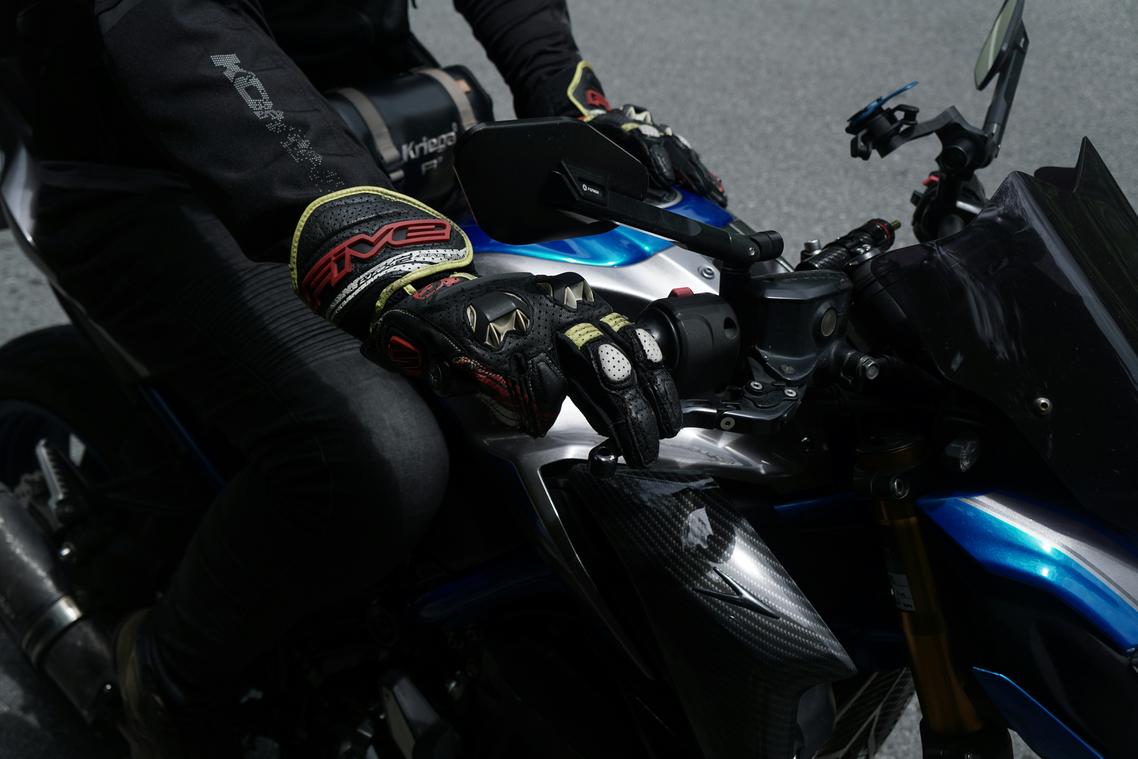
Modern motorcycle gear guide fmbmotoapparel shows us that good gloves do three things. They protect your knuckles with hard armor. They give you palm sliders that let you slide instead of tumble. And they keep enough feeling in your fingers to work the clutch and brake.
Gauntlet gloves cover your wrists and seal out wind. I wear them for highway rides and cold weather. The extra coverage matters when you’re going fast.
Short cuff gloves give you more freedom around town. They’re easier to get on and off (which means you’ll actually wear them). But they leave your wrists exposed.
The material choice comes down to what you value. Leather gives you the best abrasion resistance. Textile gloves often have better waterproofing and breathe better in summer.
You need dexterity though. Gloves that feel like oven mitts will make you ride worse, not better.
Modern gloves come with touchscreen fingertips now. Some have little visor wipers built into the thumb. These aren’t gimmicks. They’re things you’ll use every single ride.
The Rider’s Footing: Boots and Ankle Protection
Your sneakers aren’t going to cut it.
I see riders all the time rolling up in Vans or Nikes. They’ve got a $600 helmet and a proper jacket but their feet? Completely exposed.
Here’s what happens when you go down in regular shoes. Your ankle folds in ways it shouldn’t. The pavement grinds through canvas in seconds. And if a bike lands on your foot (which happens more than you’d think), those bones aren’t coming out the same.
I’m not trying to scare you. But I’ve seen the aftermath enough times to have strong opinions about this.
Some riders say they’re just commuting or running to the store. They argue that full boots are overkill for short trips. That lacing up proper gear every time is too much hassle.
And look, I get the convenience argument.
But here’s my take. Most crashes happen close to home on routine rides. The ones where you think you don’t need protection.
When I’m shopping for boots, I look for specific things. Crush protection around the ankle and toe box comes first. Your foot has 26 bones and most of them will break under the weight of a motorcycle.
Torsional stiffness matters too. Your boot needs to resist twisting forces that would otherwise tear ligaments. I also want shin protection built in and an oil resistant sole that actually grips when you put your foot down at a light.
The style you pick depends on how you ride. Racing boots offer maximum protection but you’ll walk like a robot off the bike. Touring boots balance protection with comfort for all day wear. Short boots work if you’re mostly in the city and want something you can actually walk in.
Now, about those closure systems.
Traditional laces? They’re a pain and they can catch on pegs or controls. I prefer modern systems like ratchet buckles or BOA dials. They’re faster and they keep tension better when things get rough.
Think of it this way. Your feet control half of your motorcycle. Brake, shifter, rear brake modulation. You need them working properly.
That’s why I won’t compromise on footwear anymore. Not after learning the hard way what proper protection actually means. (And yes, I learned some of these lessons from studying what are moto helmets made of fmbmotoapparel and applying that same protective philosophy to every part of my gear.)
Your feet deserve the same attention you give your head.
Assembling Your Personal Rider Safety System
You now know how to pick the right motorcycle apparel from helmet to boots.
I get it. Choosing gear can feel like you’re stuck between safety, comfort, and technology. You shouldn’t have to compromise on any of them.
The answer is simple: treat your gear as an integrated safety system. Prioritize fit first and make sure everything carries proper certification. When you do that, you ride with real confidence.
Here’s what to do next: Pull out your current gear and audit it using this motorcycle gear guide fmbmotoapparel. Check the certifications. Test the fit. Look for weak spots in your protection.
Then make informed decisions about what needs replacing and what you’ll buy next.
Your safety depends on the choices you make before you throw a leg over the bike.
Ride safe. Ride smart.
 Vynovox Rune is the founder of FMB Moto Apparel, a platform focused on exploring the evolving relationship between motorcycle culture, advanced technology, and modern riding apparel. Passionate about innovation and rider performance, Vynovox created the platform to provide enthusiasts with informative coverage on smart gear, protective equipment, and emerging technologies shaping the future of motorcycling.