I’ve tested hundreds of motorcycle gloves over the years and watched too many riders make the same mistake.
They pick gloves that look good or feel comfortable in the store. Then they go down once and realize those gloves weren’t built to protect anything.
Your hands hit the pavement first in most crashes. That’s not a scare tactic. That’s physics.
Which motorbike gloves to choose fmbmotoapparel comes down to understanding what actually keeps your hands safe versus what just feels nice when you’re standing in a parking lot.
This guide walks you through the real factors that matter. We’re talking certified protection standards, material science, and how comfort actually affects safety (because gloves you won’t wear don’t protect you at all).
We’ve spent years testing materials and collecting feedback from riders who’ve put gloves through everything from daily commutes to track days to actual crashes.
You’ll learn how to evaluate protection features that matter, spot quality construction, and find gloves that work for your specific riding style without compromising on either safety or comfort.
No fluff about style trends or brand names. Just the framework you need to make a decision that could save your hands.
Why Your Gloves Are as Critical as Your Helmet
You know what happens in a crash?
Your hands go down first. Every single time.
It’s not a choice. It’s instinct. Your body throws your hands out to catch yourself before your brain even registers what’s happening.
I’ve seen riders spend $800 on a helmet and $40 on gloves. That math doesn’t add up when you understand what your hands face in a fall.
THE TWO THREATS YOUR HANDS FACE
Let me break this down into what actually happens when you go down.
| Threat Type | What Happens | Time Frame |
|————-|————–|————|
| Impact | Bones shatter on contact with pavement or objects | Instant |
| Abrasion | Skin peels away as you slide across asphalt | 2-3 seconds |
Impact comes first. Your palm hits the ground at whatever speed you’re traveling. Scaphoid fractures (that small bone near your thumb) are common because that’s usually the first point of contact.
Then comes the slide. Asphalt at 30 mph will go through unprotected skin in about two seconds. At 60 mph? Less than one.
Some people say you should just focus on not crashing. Fair point. But that’s like saying you don’t need a helmet if you ride carefully.
WHAT NOBODY TALKS ABOUT
Here’s where most articles stop. They tell you gloves prevent injuries and call it a day.
But good gloves do MORE than just protect you in a crash.
Your grip improves. Not by a little. By enough that you notice it in the first corner. Better grip means better control over throttle and brake inputs.
Vibration damping matters too. Ride for three hours without gloves and your hands go numb. Quality gloves with proper palm padding cut that fatigue way down.
Weather protection keeps your hands functional. Cold hands can’t pull a clutch lever properly. Wet hands slip off controls.
When you’re choosing which motorbike gloves to choose fmbmotoapparel, think beyond the crash. Think about every ride.
Your hands control everything on a bike. Throttle, brakes, clutch, turn signals. Protecting them isn’t optional.
It’s basic math.
Decoding Safety: What to Look For on the Label
You pick up a pair of gloves at the shop.
They look good. Feel decent. Price seems right.
But how do you know if they’ll actually protect your hands when it matters?
Most riders don’t know what to look for. They see a CE tag and assume everything’s fine. Or they grab the cheapest pair with hard knuckles and call it a day.
Here’s what you need to understand.
Not all safety ratings are the same. And the difference between a good glove and a great one often comes down to details most people ignore.
CE Ratings Actually Mean Something
The EN 13594:2015 standard tests gloves for abrasion resistance, seam strength, and impact protection. When you see CE Level 1 or Level 2, that’s telling you how much force the knuckle protector can absorb.
Level 1 handles impacts up to 4 kilojoules. Level 2 goes up to 9 kilojoules.
KP stands for Knuckle Protection. It means the glove passed impact testing on the knuckle area specifically (not just the general construction).
Some people say Level 1 is good enough for street riding. They argue Level 2 is overkill unless you’re on the track.
But I’ve seen enough hand injuries to know better. Your knuckles don’t care if you’re commuting or racing when they hit pavement at 40 mph.
Hard Knuckles vs Palm Sliders
Hard knuckle protectors come in TPU plastic or carbon fiber. They absorb impact when your fist hits something.
Palm sliders are different. They’re designed to let your hand SLIDE across pavement instead of catching and tumbling. That sliding motion prevents your wrist from twisting and snapping the scaphoid bone.
Scaphoid fractures are brutal. They don’t heal well and they’ll mess up your grip strength for months.
Most riders focus on knuckle armor and forget about palm protection entirely. That’s backwards thinking.
The Material Question
Full-grain leather is the gold standard for abrasion resistance. Goatskin offers better flexibility with slightly less protection. Textiles like Cordura or Kevlar can match leather’s abrasion resistance while weighing less.
The real difference shows up in the details. Double or triple stitching in high-wear zones. Extra leather panels on the palm and fingers. Reinforced areas between the thumb and index finger where tears usually start.
When you’re deciding which motorbike gloves to choose fmbmotoapparel breaks down these specs so you know exactly what you’re getting.
Check the label. Look for the CE rating. Feel the stitching. Make sure there’s actual protection where your hands will hit first.
Your hands are worth it.
The Science of Comfort: Features for the Long Haul
Most riders grab whatever gloves look good or fit their budget.
Then they spend three hours on the highway with numb fingers and realize they made a mistake.
I’ve been there. You probably have too.
Here’s what I learned after years of testing gear. Comfort isn’t about luck. It’s about understanding what actually works for your hands over distance.
Some people argue that expensive features don’t matter. They say any glove will do as long as it fits. Just save your money and ride.
But that thinking falls apart on mile 200 when your hands are cramping and you can’t feel the clutch properly.
Let me walk you through what actually matters.
Fit is Everything
Your hand measurement determines everything else. Measure around your knuckles at the widest point (not including your thumb). That number in inches is your glove size.
Too tight? You’re cutting off blood flow. Your fingers go numb and cold even in summer.
Too loose? The material bunches between your palm and the grips. You lose feel for the controls and end up gripping harder to compensate. That creates the fatigue you’re trying to avoid.
The right fit feels snug without pressure points.
Ventilation and Weatherproofing
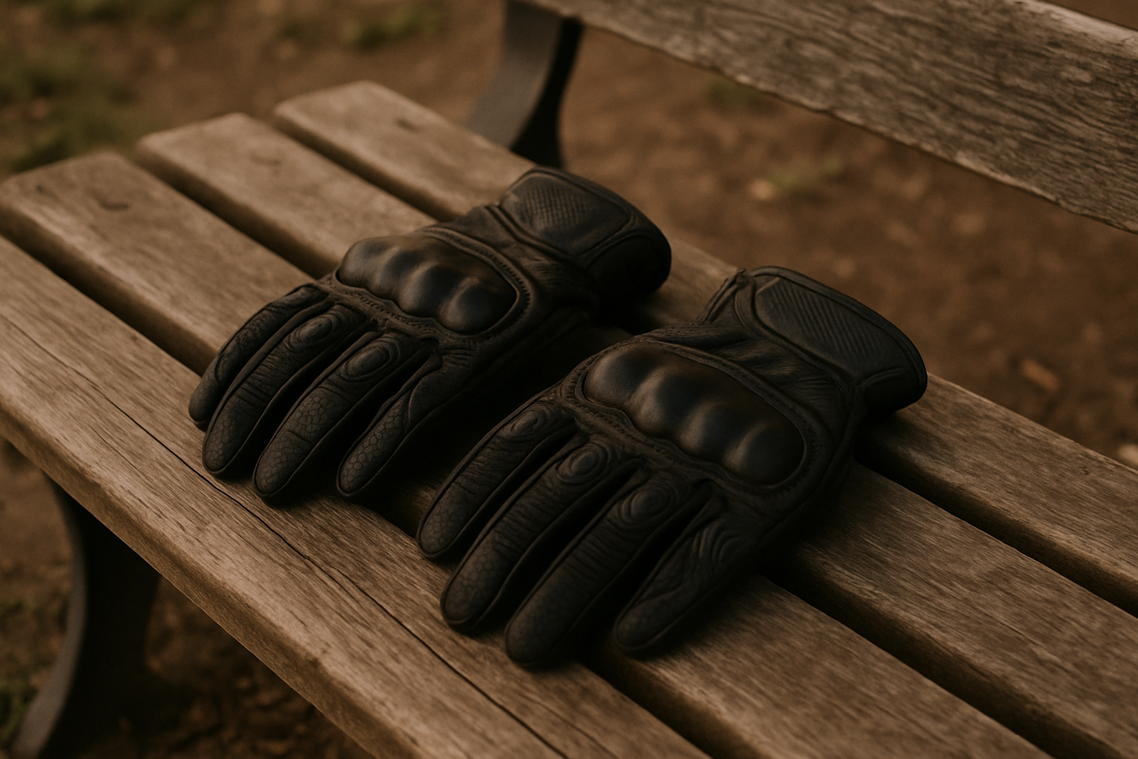
Summer gloves use perforated panels on the fingers and back of hand. Air flows through and keeps sweat from building up.
Winter or all-weather gloves use membranes like Gore-Tex. They block water while letting moisture escape from inside.
Here’s the trade-off nobody talks about. Waterproof membranes add bulk and reduce feel. You gain protection but lose some connection to the bike.
I run two pairs. Perforated for warm days and waterproof for everything else. (Yes, it costs more upfront, but your hands will thank you.)
Ergonomics and Pre-Curved Design
Look at your hand on the grip. Your fingers naturally curve.
Pre-curved gloves match that position. You’re not fighting the material to hold on, which means less muscle strain over long rides.
Accordion stretch panels on the fingers and knuckles let you move without resistance. When you need to reach for the do i need a motorbike helmet fmbmotoapparel brake lever or adjust your grip, the glove flexes with you instead of pulling back.
Flat-pattern gloves force your hand into an unnatural position. After an hour, you’ll feel it in your forearms.
Understanding which motorbike gloves to choose fmbmotoapparel comes down to matching these features to how you actually ride. Not what looks cool in the store.
Matching the Glove to Your Riding Style
Not all riders need the same gloves.
I see people buying track-spec gauntlets for city commutes or thin leather gloves for highway touring. It doesn’t make sense.
Your riding style determines what protection you actually need (not what looks cool in photos).
Track Day Riders
You need maximum protection. Period.
Long gauntlets that overlap your jacket sleeves. Hard armor over knuckles and fingers. Palm sliders that’ll save your hands if you go down at speed.
Finger bridges matter too. They keep your fingers from hyperextending during a crash.
Most track riders I know won’t touch anything without these features. The stakes are too high when you’re pushing limits.
Urban Commuters and Cafe Riders
Here’s where it gets interesting.
You want protection but you’re not dragging knee through corners. Short-cuff designs work fine for city speeds. You can actually move your wrists without fighting stiff gauntlets.
Touchscreen compatibility isn’t optional anymore. Stopping to pull off your gloves every time your phone buzzes? That gets old fast.
Look for flexible armor that protects without making you feel like you’re wearing hockey equipment. The best which motorbike gloves to choose fmbmotoapparel options balance both.
Adventure and Touring Riders
Versatility wins here.
You might start your day in 40-degree rain and end it in 80-degree sun. Your gloves need to handle that range.
Waterproofing keeps you comfortable. Insulation options (removable liners are smart) extend your season. Multi-material construction means the right protection in the right places without bulk.
All-day comfort separates good gloves from great ones. Check the motorcycle gear guide fmbmotoapparel for detailed breakdowns.
Cruiser Riders
Classic leather looks good. I get the appeal.
But here’s what most people miss. Modern armor can hide inside traditional designs. You don’t have to choose between style and safety anymore.
Reinforced palms matter more than most cruiser riders think. Even low-speed drops can shred unprotected hands.
The best options give you that vintage aesthetic with protection that actually works.
Next-Generation Glove Technology
Your grandfather’s motorcycle gloves were basically leather mittens with some padding.
Mine too.
But here’s where things get weird (in a good way). The gloves we’re wearing now would’ve looked like science fiction to riders just ten years ago.
Smart materials are changing everything. Take D3O and SAS-TEC. These materials feel soft when you’re just cruising. But the second you hit something? They lock up harder than your jaw during a near-miss with a texting driver.
It’s the same tech they use in body armor. Except now it’s in your knuckles.
I know some riders say all this tech is overkill. That good old leather worked fine for decades. And sure, leather still works. But why choose between protection and comfort when you can have both?
Then there’s haptic feedback. Yes, your gloves can now buzz at you. Navigation alerts. Incoming calls. Speed warnings (if you’re into that sort of thing). It sounds gimmicky until you realize you’re not taking your eyes off the road to check your phone.
Which is kind of the point.
Advanced fabrics are probably the most practical upgrade. We’re talking materials that resist abrasion like leather but breathe like your favorite summer shirt. No more choosing between sweaty hands and road rash.
When you’re looking at which motorbike gloves to choose fmbmotoapparel has covered this extensively. The tech keeps getting better.
Some of these gloves even wash easier than my regular clothes (which says more about my laundry habits than I’d like to admit).
The future of glove tech isn’t coming. It’s already here.
Invest in Your Most Important Tools
You came here to figure out which motorbike gloves to choose fmbmotoapparel that actually protect you.
Now you know the difference between marketing hype and real safety standards.
A cheap glove might save you twenty bucks today. But when you need protection most, it won’t be there.
The right glove is safety equipment. Period.
Look for CE ratings first. Then check the materials and make sure the fit is right. Those three things will keep your hands protected and comfortable every time you ride.
Your hands control everything on a motorcycle. Throttle, brakes, clutch. They deserve gear that works as hard as they do.
Stop settling for gloves that look good but don’t perform. Get the protection you need and the comfort you want.
Your next ride depends on it.
 Vynovox Rune is the founder of FMB Moto Apparel, a platform focused on exploring the evolving relationship between motorcycle culture, advanced technology, and modern riding apparel. Passionate about innovation and rider performance, Vynovox created the platform to provide enthusiasts with informative coverage on smart gear, protective equipment, and emerging technologies shaping the future of motorcycling.