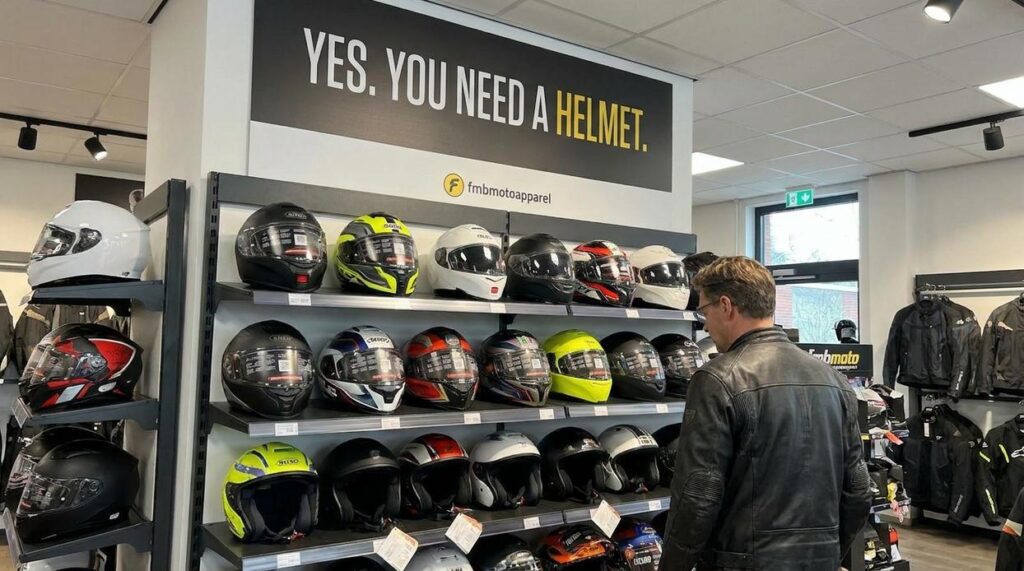
I’ve spent years developing motorcycle gear and I can tell you this: most riders have no idea if their helmet is actually legal.
You’re probably here because you saw DOT, ECE, or SNELL stamped on a helmet and wondered what any of it means. Or maybe you’re crossing state lines and aren’t sure if your helmet passes muster.
Here’s the reality: helmet laws are a mess. Different countries have different standards. Different states have different rules. And the certifications don’t always mean what you think they mean.
do i need a motorbike helmet fmbmotoapparel gets this question constantly. So I dug into the regulations across regions to give you a clear answer.
This article breaks down exactly what those acronyms mean and which ones matter where you ride. I’ll show you how to check if your helmet is compliant and what to look for when you’re buying your next one.
We’ve researched safety standards extensively while developing our gear. We test against these regulations and we know which ones actually protect you versus which ones just check a box.
You’ll learn what’s required in your area, how to verify your helmet meets those standards, and how to go beyond the minimum if you want better protection.
No confusing technical jargon. Just straight answers about what keeps you legal and what keeps you safe.
Why Helmet Regulations Exist: The Science of Impact Protection
Regulations aren’t there to annoy you.
They exist because your skull can’t handle the physics of a crash on its own.
When you hit pavement at speed, your brain keeps moving inside your skull even after your head stops. That’s where a certified helmet comes in. It manages the impact energy that would otherwise turn a survivable accident into something much worse.
Here’s what regulators actually test.
Impact absorption comes first. A helmet needs to slow down your head’s deceleration so your brain doesn’t slam into your skull. Then there’s penetration resistance (because sharp objects exist). And finally, retention system strength. Your chin strap has to keep that helmet on your head when it matters most.
I recommend treating certification marks like DOT, ECE, or SNELL as non-negotiable. These aren’t suggestions. They’re minimum performance standards backed by real crash data.
Your helmet is the only thing between your brain and the road. Nothing else you wear matters if you get this wrong. Not your jacket, not your boots, not even the fmbmotoapparel motorcycle gear by formotorbikes you’re considering.
Some riders ask do i need a motorbike helmet fmbmotoapparel when shopping for gear. The answer is always yes. And it needs to be certified.
Skip the vintage look if it means skipping safety standards. Your brain doesn’t care about style.
Decoding the Standards: DOT, ECE, SNELL, and FIM Explained
I was at a bike meet in St. Louis last month when someone asked me, “Do all these stickers on helmets actually mean anything?”
Fair question.
Most riders I talk to see DOT, ECE, or SNELL stamped on a helmet and assume it’s all the same. It’s not.
DOT (Department of Transportation)
This is what you need if you’re riding in the USA. It’s mandatory.
But here’s where it gets interesting. DOT runs on what people call an honor system. Manufacturers certify their own helmets. They don’t send samples to the government for testing before slapping that sticker on.
Does that mean DOT helmets are unsafe? No. It just means the system trusts manufacturers to follow the rules. The DOT can (and does) pull helmets off shelves for random testing. If a helmet fails, there are consequences.
ECE 22.06 (Economic Commission for Europe)
Over 50 countries recognize this standard. It’s the one you’ll see across Europe and in many other parts of the world.
ECE doesn’t mess around with self-certification. They require batch testing. That means samples from actual production runs get tested by independent labs.
The recent 22.06 update added something important: rotational force testing. Your brain doesn’t just move forward in a crash. It twists. ECE now accounts for that.
SNELL Memorial Foundation
This one’s voluntary. You won’t get pulled over for not having it.
A track day instructor once told me, “If you’re serious about performance riding, look for SNELL.” He wasn’t wrong. SNELL sets higher impact thresholds than government standards require.
Racers seek it out because it pushes helmets harder during testing. The foundation is named after Pete Snell, a racer who died from head injuries in 1956. His friends started testing helmets so others wouldn’t face the same fate.
FIM (Fédération Internationale de Motocyclisme)
This is the top tier. Professional circuit racing requires it.
FIM helmets get tested for rotational impact and performance at extreme speeds. We’re talking MotoGP level stuff. Most street riders will never need this standard, but it exists for those pushing bikes to their absolute limits.
Which One Applies to You?
Here’s the breakdown:
- North America: DOT is mandatory
- Europe: ECE 22.05 or 22.06 (the newer version)
- Australia: ECE or AS/NZS 1698
Some helmets carry multiple certifications. You’ll see DOT and ECE on the same helmet pretty often.
If you’re wondering do i need a motorbike helmet fmbmotoapparel, the answer depends on where you ride. But understanding these standards helps you pick the right protection for your needs.
Check the stickers inside your helmet. They tell you what testing it passed and where you can legally wear it.
How to Verify Your Helmet’s Compliance: A Rider’s Checklist
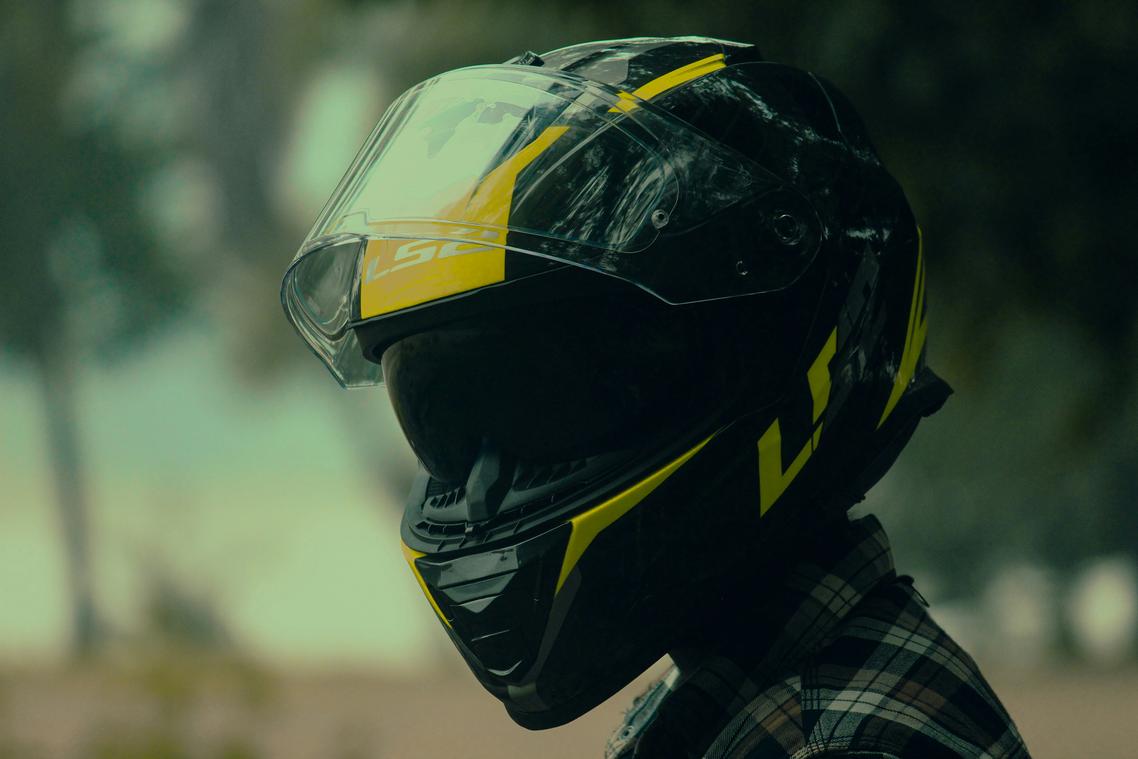
Some riders say you’re overthinking it if you spend time checking certification labels.
They’ll tell you that any helmet from a known brand is good enough. Just buy it and ride.
But here’s what that thinking misses.
Counterfeit helmets are everywhere. I’ve seen fake Shoei and Arai helmets that look perfect until you check the details. And those fakes? They might protect you about as well as a plastic bucket.
Reading the Labels
Your DOT sticker sits on the back of the helmet. It should be a permanent label, not something that peels off easily.
The ECE label gets sewn into the chin strap. Look for a white tag with “ECE 22.05” or “ECE 22.06” printed on it (the newer standard).
SNELL certifications usually appear on a sticker inside the helmet or on the chin bar.
Spotting a Fake
If the price seems too good, it probably is. A $400 helmet selling for $89? That’s a red flag.
Check the weight. Real helmets have proper materials and padding. Fakes feel lighter and cheaper when you hold them.
Look at the construction. Flimsy straps, loose padding, or gaps in the shell tell you everything you need to know.
And if there’s no proper labeling at all? Walk away.
The Online Database Check
SHARP in the UK lets you search helmet models and see their safety ratings. It’s free and takes about 30 seconds.
Some states have their own resources for checking compliance. Worth a quick search before you buy.
I always cross-reference the model number on the helmet with what’s listed in these databases. It’s saved me from buying junk more than once.
Just like knowing which motorbike gloves to chooose fmbmotoapparel, understanding do i need a motorbike helmet fmbmotoapparel starts with verification.
Your helmet is the one piece of gear that matters most. Take five minutes to verify it’s real.
Beyond the Sticker: The Technology Pushing Helmet Safety Forward
Most riders think helmet safety stopped at DOT stickers.
It didn’t.
The real breakthroughs are happening inside the shell. And if you’re still buying helmets based on certifications alone, you’re missing the point.
Here’s what actually matters now.
Rotational Forces Are the Real Enemy
Your brain doesn’t just move forward and back during a crash. It twists.
That rotational force? It’s what causes most concussions. A study from the Royal Institute of Technology in Stockholm found that rotational acceleration is often more dangerous than linear impact (which is all traditional testing measures).
MIPS changed the game here. It’s a low-friction layer inside the helmet that lets the shell rotate slightly on impact. Your head stays more stable while the helmet absorbs the rotational energy.
WaveCel takes a different approach. It’s a collapsible cellular structure that flexes and glides during angled impacts. Some independent tests show it reduces rotational forces by up to 98%.
Then you’ve got proprietary slip-plane systems from manufacturers who built their own solutions. They all do the same basic thing but with different engineering approaches.
My recommendation? Don’t buy a helmet without some form of rotational impact protection. I don’t care which system it uses. Just make sure it has one.
Material Science Matters More Than You Think
Polycarbonate shells are fine for budget helmets.
But composite shells are better. Fiberglass, carbon fiber, and aramid (Kevlar) distribute impact energy across a wider surface area. They’re also lighter, which means less strain on your neck during long rides.
Carbon fiber is the gold standard if you can afford it. A quality carbon helmet weighs 20-30% less than polycarbonate while offering superior impact protection.
Here’s what I tell people: if you ride more than a few times a month, invest in a composite shell. Your neck will thank you after hour three on the highway.
Smart Tech Is Coming (But Safety Comes First)
Integrated Bluetooth, emergency crash detection, heads-up displays. They’re all showing up in helmets now.
Some of it is genuinely useful. Crash detection systems that alert emergency contacts? That could save your life if you go down on a remote road.
But here’s my concern.
Every electronic component adds weight and complexity. And it creates potential weak points in the shell structure. I’ve seen helmets where the battery compartment compromised the impact zone.
If you’re considering a smart helmet, ask yourself: does this tech make me safer, or just more connected?
Communication systems are worth it for group rides. Emergency alerts make sense if you ride solo often. But do you really need a heads-up display showing your speed when you could just glance at your dash?
Choose tech that serves a real safety purpose. Skip the gadgets that just look cool in marketing videos.
And whatever you pick, make sure the manufacturer didn’t sacrifice structural integrity to fit it in. Check if the helmet still meets SNELL or ECE standards with all the electronics installed.
That’s the real test of whether do i need a motorbike helmet fmbmotoapparel technology has actually moved forward or just gotten fancier.
Ride Safe, Ride Legal: Making an Informed Choice
You came here confused about helmet certifications and safety labels.
I get it. The alphabet soup of DOT, ECE, and SNELL standards makes your head spin (before you even put the helmet on).
Here’s what you need to know: Those stickers and labels actually mean something. They tell you whether your helmet meets the legal requirements where you ride and how well it protects your head.
You now understand what those certifications represent. You can read the labels and know if a helmet is legit or just marketing hype.
The confusion that kept you second-guessing your gear choice? That’s gone.
Your local laws require specific certifications. Some states want DOT, others accept ECE, and a few demand both. Knowing which standard applies to you is half the battle.
The other half is verification. Counterfeit helmets exist, and they can look convincing. Check for proper labeling, verify the certification numbers, and buy from reputable sources.
Modern helmets offer technologies that go beyond basic certification. MIPS, multi-density foam, and improved shell materials add layers of protection worth considering.
do i need a motorbike helmet fmbmotoapparel has the resources you need to make an informed decision.
Your Next Move
Check your current helmet right now. Look for the certification sticker inside. Make sure it’s still valid and meets your local requirements.
When you’re ready for your next helmet, use this guide. Don’t just grab what looks cool or costs less. Your brain is worth more than that.
Every ride matters. Make the choice that keeps you safe and legal.
 Vynovox Rune is the founder of FMB Moto Apparel, a platform focused on exploring the evolving relationship between motorcycle culture, advanced technology, and modern riding apparel. Passionate about innovation and rider performance, Vynovox created the platform to provide enthusiasts with informative coverage on smart gear, protective equipment, and emerging technologies shaping the future of motorcycling.